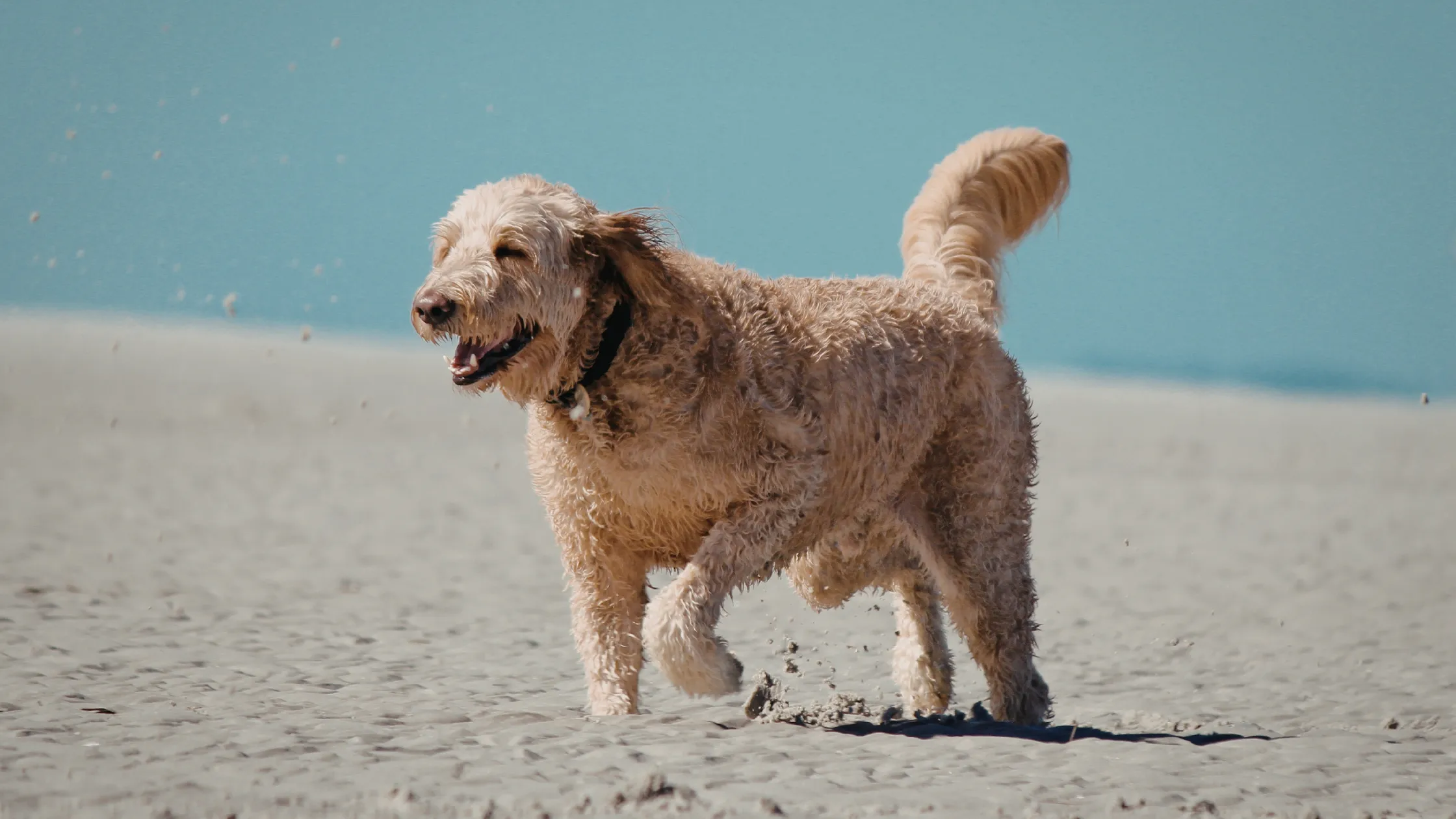

Understanding thedog years to human years conversion is essential for every dog owner. Dogs age much faster than humans, and knowing how their age compares to ours helps in proper care, nutrition, and health monitoring.
Every dog grows differently depending on breed, size, and genetics, but this guide will explain the dog years to human years concept clearly. Use Content AI to Optimise the Post to ensure accuracy and readability.

Contents
- 1 What Does Dog Years to Human Years Mean?
- 2 How to Calculate Dog Years to Human Years
- 3 Dog Years to Human Years Chart
- 4 Why Dog Years to Human Years Conversion Matters
- 5 Dog Life Stages in Human Years
- 6 Factors Affecting Dog Aging
- 7 Signs Your Dog Is Aging
- 8 Common Mistakes in Dog Age Estimation
- 9 Tips for Keeping Your Dog Healthy Through the Years
- 10 Frequently Asked Questions (FAQ)
- 11 Conclusion
What Does Dog Years to Human Years Mean?
Dog years to human years is a concept used to compare a dog’s age to human age. Since dogs live shorter lives than humans, 1 dog year does not equal 1 human year.
Traditionally, it was believed that 1 dog year = 7 human years, but research now shows that the conversion is more nuanced and depends on size and breed.
How to Calculate Dog Years to Human Years
There are several methods to convert dog years to human years:
1. Simple Multiplication Method
- Small dogs: 1 dog year ≈ 15 human years (first year), then 4 human years for each additional year
- Medium dogs: 1 dog year ≈ 15 human years (first year), then 5 human years for each additional year
- Large dogs: 1 dog year ≈ 15 human years (first year), then 6–7 human years for each additional year
2. Using Dog Age Chart
Many experts recommend using a dog years to human years chart for more accurate conversion. Charts consider breed, size, and age, making them more precise than simple multiplication.
Dog Years to Human Years Chart
| Dog Age | Small Dog (1–20 lbs) | Medium Dog (21–50 lbs) | Large Dog (51–100 lbs) |
|---|---|---|---|
| 1 Year | 15 Human Years | 15 Human Years | 15 Human Years |
| 2 Years | 24 Human Years | 24 Human Years | 24 Human Years |
| 3 Years | 28 Human Years | 28 Human Years | 30 Human Years |
| 4 Years | 32 Human Years | 32 Human Years | 38 Human Years |
| 5 Years | 36 Human Years | 36 Human Years | 45 Human Years |
| 6 Years | 40 Human Years | 42 Human Years | 52 Human Years |
| 7 Years | 44 Human Years | 47 Human Years | 59 Human Years |
| 8 Years | 48 Human Years | 51 Human Years | 66 Human Years |
| 9 Years | 52 Human Years | 56 Human Years | 72 Human Years |
| 10 Years | 56 Human Years | 60 Human Years | 78 Human Years |
This dog years to human years chart is a helpful tool for dog owners to estimate their pet’s age and health stage accurately.
Why Dog Years to Human Years Conversion Matters
- Helps determine vaccination schedules
- Guides diet and nutrition plans
- Helps monitor health changes related to aging
- Assists in planning exercise and activity
- Provides perspective on life expectancy
Dog Life Stages in Human Years
Understanding dog years to human years helps identify life stages:
1. Puppy Stage
- 0–1 Dog Year ≈ 0–15 Human Years
- Rapid growth, high energy, needs training and socialization
2. Adolescent Stage
- 1–2 Dog Years ≈ 15–24 Human Years
- Learning, teething, requires proper nutrition and exercise
3. Adult Stage
- 3–6 Dog Years ≈ 28–40 Human Years
- Stable behavior, moderate activity, balanced diet
4. Senior Stage
- 7+ Dog Years ≈ 44+ Human Years
- Slower metabolism, joint care, specialized diet

Factors Affecting Dog Aging
Several factors influence how dog years to human years conversion applies:
- Breed: Large breeds age faster than small breeds
- Genetics: Some dogs inherit longevity traits
- Diet: Balanced nutrition increases lifespan
- Exercise: Active dogs maintain health longer
- Veterinary Care: Regular checkups detect early health problems
Signs Your Dog Is Aging
- Reduced activity
- Stiffness or difficulty moving
- Grey hair around muzzle
- Weight changes
- Dental problems
Monitoring these signs helps adapt care as dog years to human years progress.
Common Mistakes in Dog Age Estimation
- Using the 7-year rule for all dogs
- Ignoring size differences
- Overfeeding senior dogs
- Not adjusting exercise for older dogs
Tips for Keeping Your Dog Healthy Through the Years
- Feed age-appropriate food
- Regular vet checkups
- Adequate exercise
- Dental care
- Mental stimulation
- Regular grooming
These tips help maintain health across all stages of dog years to human years.
Frequently Asked Questions (FAQ)
How accurate is dog years to human years?
It’s an estimate. Breed and size variations make exact comparison difficult. Charts give better accuracy than the 7-year rule.
Do small dogs live longer than large dogs?
Yes, generally small breeds live longer and age slower in human-equivalent years.
How do I use the dog years to human years chart?
Match your dog’s age and size category to the chart to find the approximate human equivalent.
Conclusion
Understanding dog years to human years is crucial for responsible pet ownership. It helps in planning nutrition, exercise, healthcare, and lifestyle changes for your dog.
Whether your dog is a playful puppy or a wise senior, knowing their age in human terms ensures they get the right care every year.
Always remember: proper diet, exercise, and regular vet care increase your dog’s lifespan and quality of life.
Use Content AI to Optimise the Post to ensure accuracy, SEO optimization, and readability.