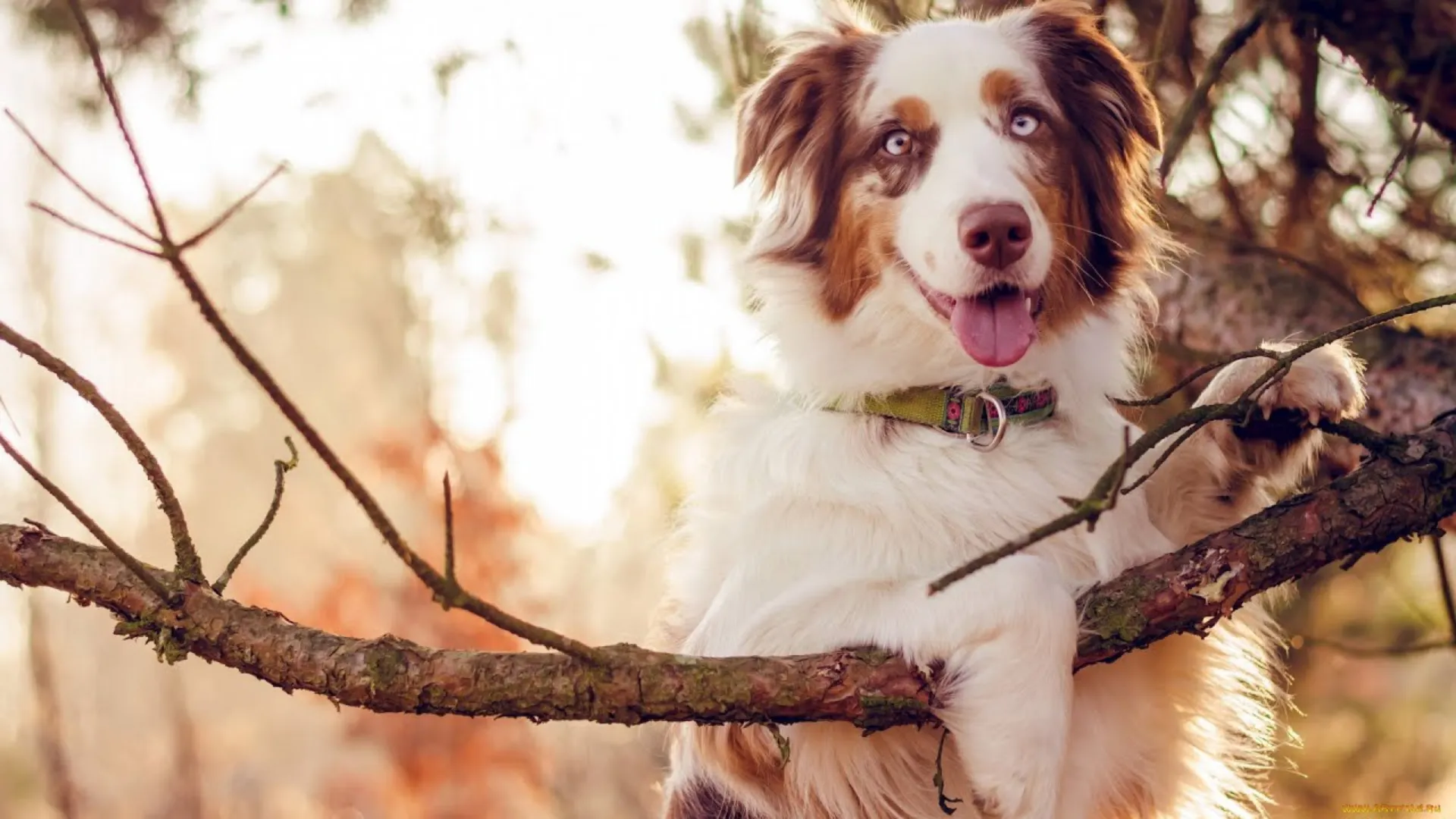
Socializing an older Australian Shepherd requires counter-conditioning and desensitization. Because Aussies are naturally protective and velcro dogs, they may nip strangers to create space. By rewarding calm behavior around triggers at a distance, you can safely rehabilitate even a mature rescue dog.
Contents
- 1 Why Rescue Australian Shepherds Need Extra Help
- 2 Understanding Key Behavior Problems
- 3 The Foundation: Positive Reinforcement Training
- 4 Understanding Threshold: The Key to Success
- 5 Counter-Conditioning: Changing Emotional Responses
- 6 Desensitization: Gradual Exposure Done Right
- 7 Stopping the Nipping Behavior
- 8 Fixing Resource Guarding
- 9 Muzzle Training: A Safety Tool
- 10 Sample Daily Training Routine
- 11 When to Get Professional Help
- 12 Measuring Success: What Progress Looks Like
- 13 Important Reminders for Success
- 14 The Velcro Bond: Building Trust
- 15 Final Thoughts
2026 Update on Rescue Dog Rehabilitation
New research shows that older dogs can learn just as well as puppies when using positive reinforcement methods. Studies confirm that counter-conditioning works in dogs of all ages, with most rescue Australian Shepherds showing significant improvement in 4 to 6 weeks of consistent training.
Why Rescue Australian Shepherds Need Extra Help
Older rescue Australian Shepherds often missed their critical socialization period as puppies. The most important time for socialization is between 8 and 16 weeks of age. When dogs miss this window, they can develop fears and behavioral issues that stay with them into adulthood.
Rescue Aussies may have experienced bad situations in their past. They might have been left alone too much, not exposed to different people and places, or even mistreated. These negative experiences create fear and anxiety that shows up as problem behaviors.
Common Reasons for Behavior Problems
- Missed early socialization: Never learned that strangers, other dogs, and new places are safe
- Past trauma: Bad experiences with people or other animals created lasting fear
- Isolation: Spent too much time alone without proper interaction
- Lack of training: Never learned basic manners or appropriate behavior
- Herding instinct gone wrong: Natural nipping behavior was never redirected properly
- Resource guarding: Learned to protect food, toys, or sleeping spots due to worry about losing them
The good news is that even older Australian Shepherds can learn new behaviors. It takes more time and patience than training a puppy, but it absolutely works. Many rescue Aussies become wonderful, well-adjusted pets with the right approach.
Understanding Key Behavior Problems
Nipping and Herding Behavior
Nipping is built into the Australian Shepherd’s DNA. For hundreds of years, these dogs were bred to herd sheep and cattle by nipping at their heels. This herding instinct does not disappear just because your Aussie lives in a house instead of on a ranch.
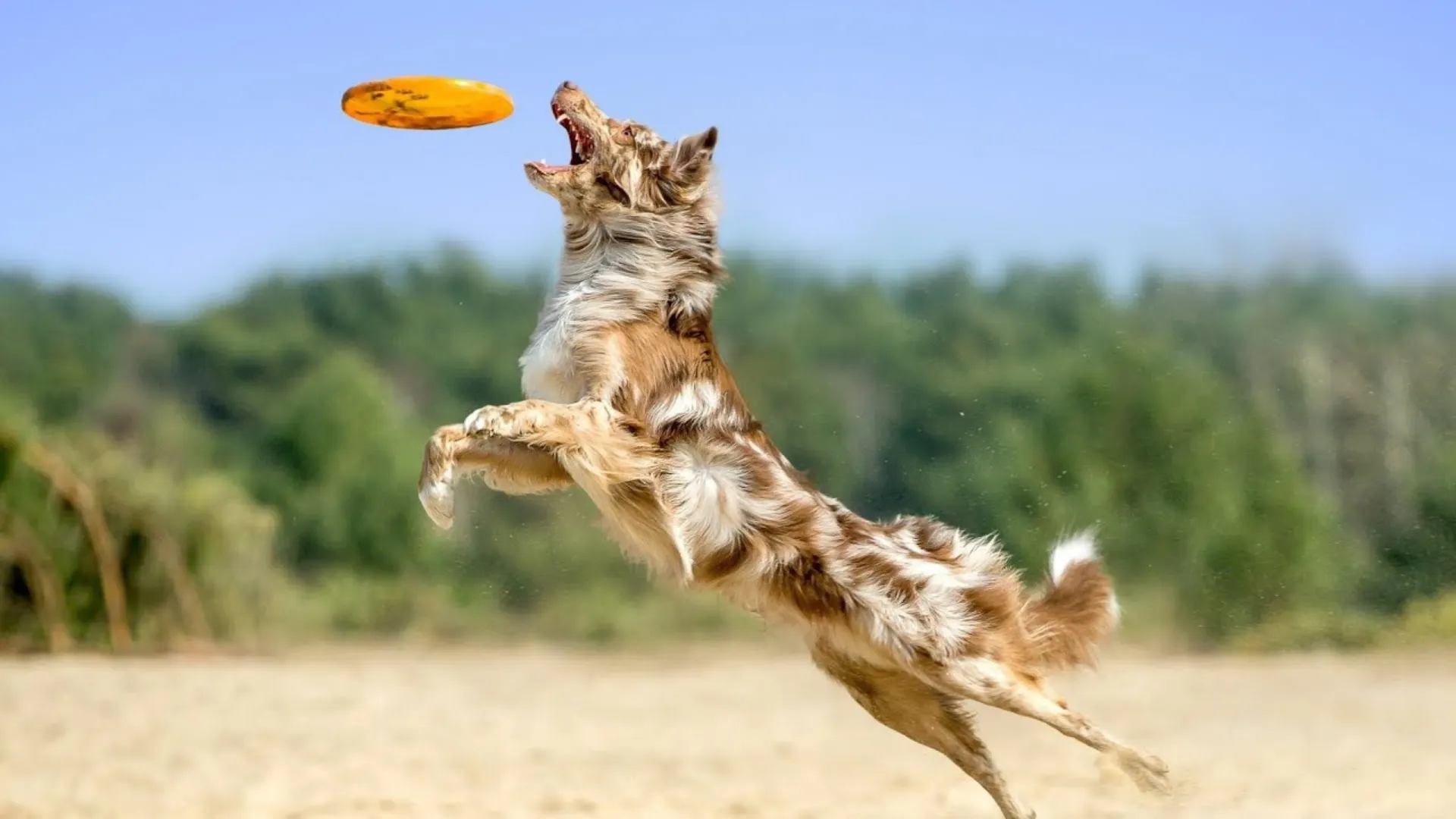
When rescue Aussies feel stressed, scared, or overstimulated, they often fall back on this natural behavior. They may nip at:
- Running children (triggers their chase instinct)
- Strangers who approach too quickly
- Other dogs during play
- People’s ankles or heels when excited
- Anyone who gets too close to their person (protective nipping)
The nipping is not always aggressive. Often, it is the dog’s way of saying “back off, you are too close” or “slow down, you are making me nervous.” However, even non-aggressive nipping can hurt people and needs to be addressed.
Stranger Fear and Reactivity
Australian Shepherds are naturally protective and bond very closely with their families. This velcro dog personality means they can be suspicious of people outside their family circle.
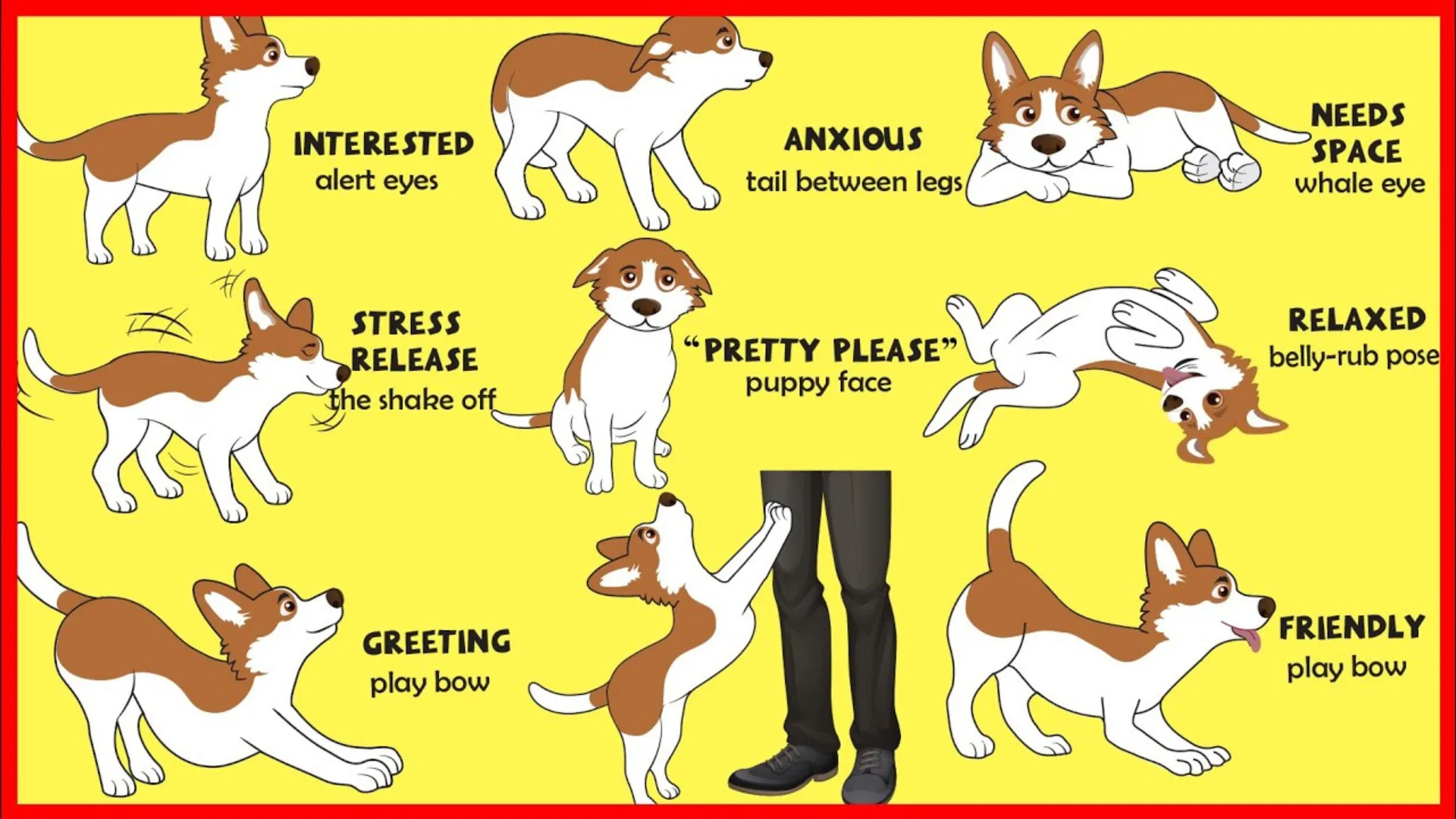
Signs your Aussie is afraid of strangers include:
- Stiff body: Tense muscles, not relaxed
- Tail tucked low: Or held tight against the body
- Growling or barking: Warning sounds to keep strangers away
- Backing away: Trying to increase distance
- Ears pinned back: Flat against the head
- Whale eye: Showing the whites of their eyes
- Lunging: Trying to scare the person away
Fear is often worse with men, especially tall men with deep voices. This is common in rescue dogs and may be due to past bad experiences or simply lack of exposure to different types of people.
Resource Guarding
Resource guarding happens when a dog protects things they value: food, toys, sleeping spots, or even people. The dog worries that someone will take away something important, so they guard it aggressively.
Signs of resource guarding:
- Stiffening when someone approaches while eating
- Growling when you reach for a toy
- Snapping if you try to move them from the couch
- Blocking people from approaching their favorite person
- Eating faster when someone walks by
This behavior often develops in dogs who experienced scarcity. Maybe they did not get enough food, had toys taken away roughly, or had to compete with other dogs for resources.
The Foundation: Positive Reinforcement Training
Positive reinforcement means rewarding good behavior instead of punishing bad behavior. This is the only method you should use with a fearful or reactive rescue dog.
Here is why positive reinforcement works better than punishment:
- Builds trust between you and your dog
- Creates positive associations with scary things
- Teaches the dog what TO do, not just what NOT to do
- Reduces fear and anxiety
- Works faster and lasts longer than punishment
Punishment (yelling, leash corrections, or physical corrections) makes fear worse. A scared dog who gets punished becomes more scared. They may stop showing warning signs like growling, but the fear is still there. This can lead to a dog who bites without warning.
Never Punish Fear-Based Behavior: If your Aussie growls at a stranger, do not scold them. The growl is a warning that they are uncomfortable. Punishing the growl teaches them not to warn you, but it does not fix the fear. Instead, reward them for any calm behavior and remove them from the scary situation.
What Makes a Good Reward?
Not all treats are equal when working with reactive dogs. You need high-value rewards that your dog loves more than anything else. Save these special treats only for training sessions.
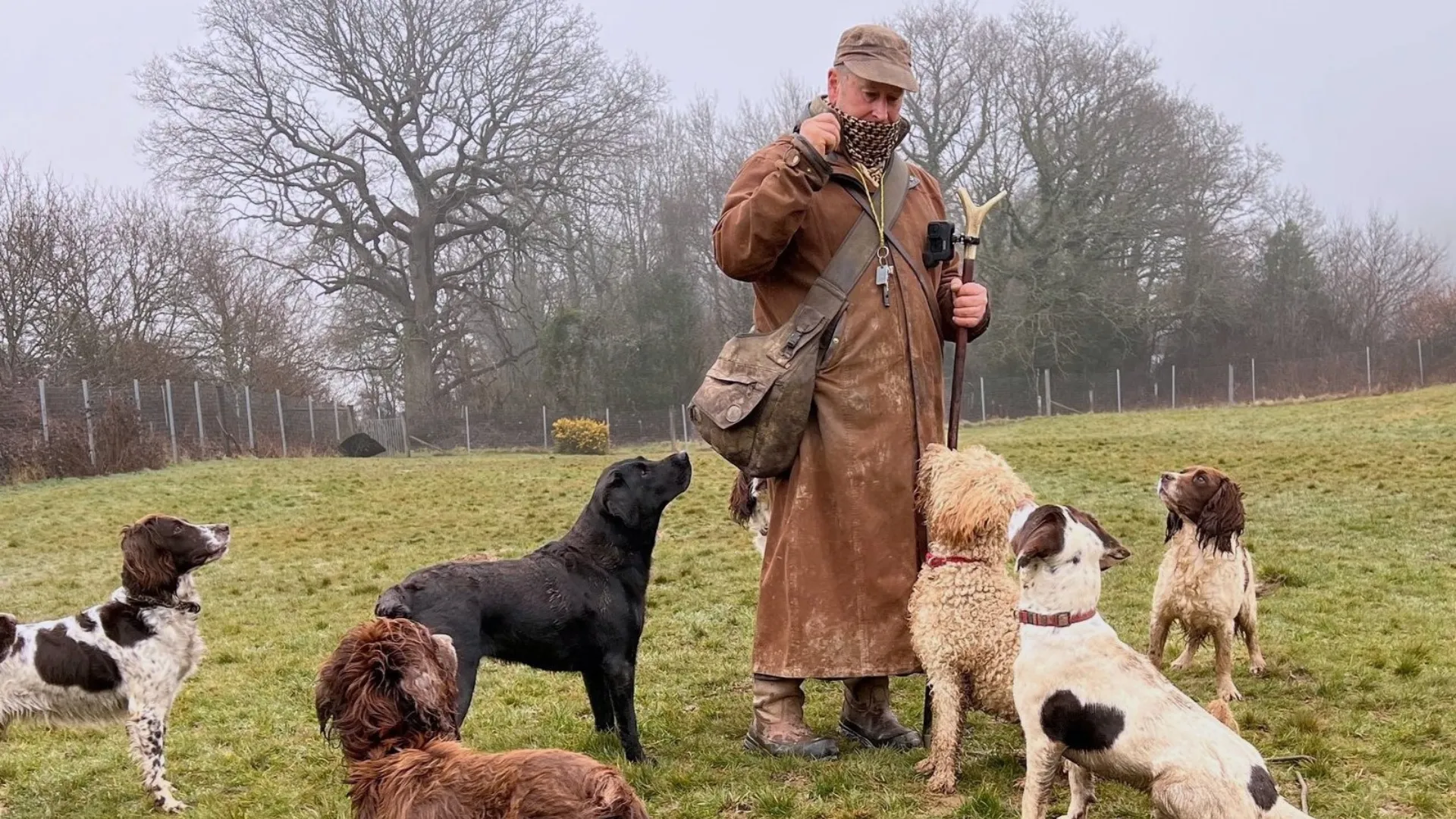
Best high-value treats:
- Small pieces of cooked chicken
- Cheese cubes
- Hot dog slices
- Freeze-dried liver
- Deli meat
Keep pieces tiny (pea-sized) so your dog can eat them quickly and keep focus. You will be giving lots of treats during training sessions.
Understanding Threshold: The Key to Success
Threshold is the most important concept in rehabilitating a reactive dog. It is the distance at which your dog can see a trigger (like a stranger or another dog) and stay calm.
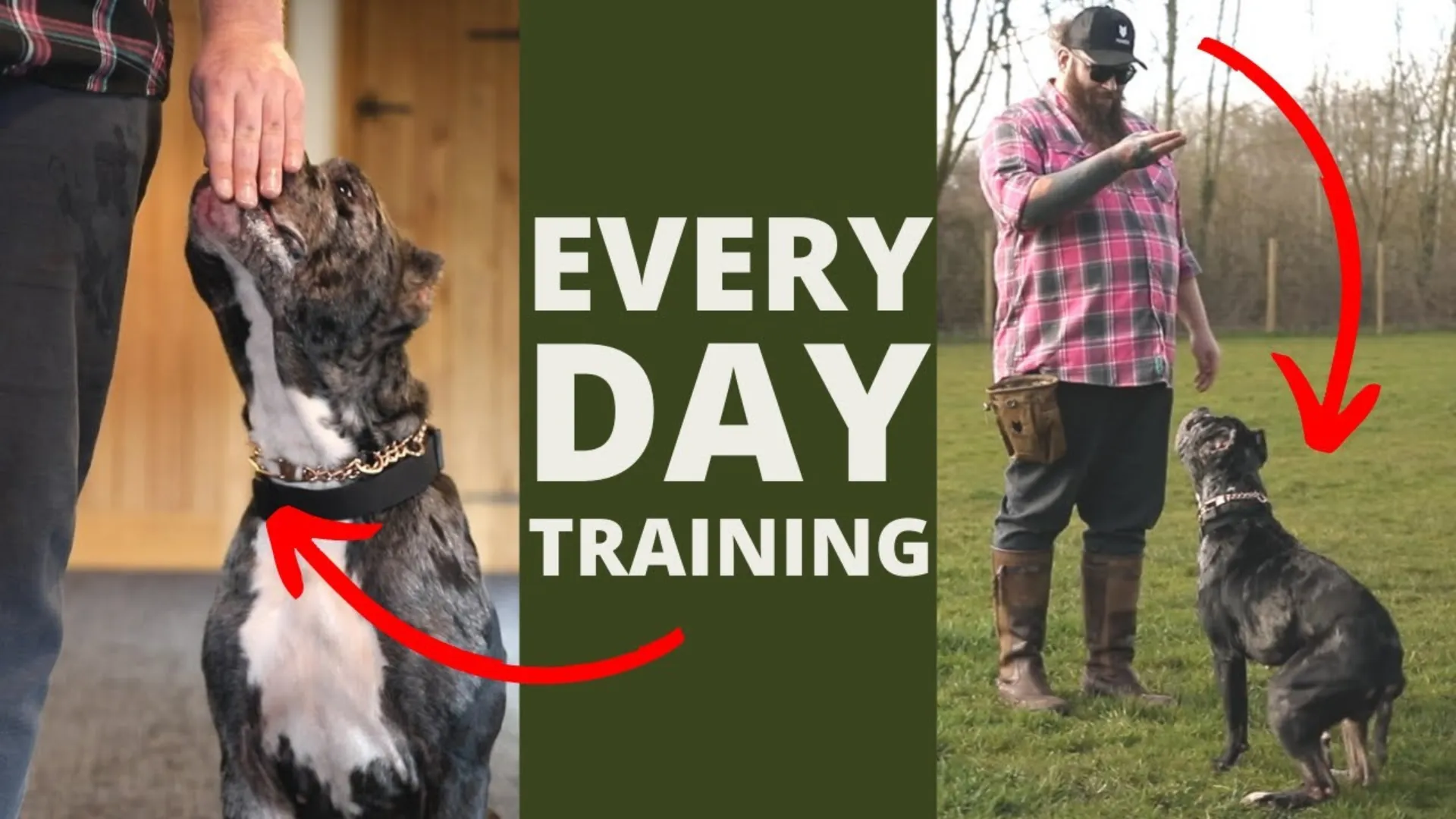
Below Threshold vs. Over Threshold
When your dog is below threshold, they:
- Notice the trigger but stay calm
- Keep ears relaxed or forward
- Hold tail in a neutral position
- Can take treats from your hand
- Respond to your voice
- Show loose, relaxed body language
When your dog is over threshold, they:
- Cannot take treats
- Bark, lunge, or growl
- Have tense, stiff body
- Do not respond to your voice
- Stare intensely at the trigger
- Show fear or aggression
All training must happen below threshold. When your dog goes over threshold, they cannot learn. Their brain is in fight-or-flight mode, and they are too stressed to process information.
Finding Your Dog’s Threshold Distance
Every dog is different. For one Aussie, threshold might be 50 feet from a stranger. For another, it might be 200 feet. You need to figure out your dog’s specific threshold for each type of trigger.
How to find threshold:
- Start far away from the trigger (100+ feet)
- Watch your dog’s body language closely
- Move slightly closer
- If they stay relaxed, you are still below threshold
- If they tense up or react, you went too close – back up immediately
- The spot just before they react is their threshold
Threshold can change day to day. If your dog is tired, sick, or stressed from something else, their threshold might be further away than usual. Always pay attention to their body language.
Counter-Conditioning: Changing Emotional Responses
Counter-conditioning means changing how your dog feels about something scary. Instead of “stranger equals danger,” you want your dog to think “stranger equals treats and good things.”
This is not just training. You are actually changing your dog’s emotional response at a deep level. Done correctly, counter-conditioning creates lasting change.
The Counter-Conditioning Process
1- Identify the trigger: What makes your dog react? Men with beards? People in hats? Other dogs? Kids on bikes?
2– Position at threshold distance: Start far enough away that your dog notices the trigger but stays calm. They should be able to take treats easily.
3– Feed high-value treats continuously: The second your dog sees the trigger, start feeding treats. Give one treat every 2 to 3 seconds. Use really good treats like chicken or cheese.
4– Stop treats when trigger disappears: When the person walks away or goes out of sight, stop giving treats immediately.
5– Repeat many times: Do this in short 5-minute sessions. Multiple sessions per day work better than one long session.
The pattern your dog learns: Trigger appears = treats rain from the sky. Trigger leaves = treats stop. Soon, your dog starts looking at you happily when they see the trigger because they know treats are coming.
Important Timing: Start feeding treats THE MOMENT your dog notices the trigger, even before they react. Do not wait for them to look at you or sit. Just seeing the trigger should make treats appear. This creates the strongest association.
Counter-Conditioning Timeline
How long does counter-conditioning take? Most rescue Australian Shepherds show noticeable improvement in 4 to 6 weeks with daily practice. However, complete rehabilitation can take 3 to 6 months or longer for severely fearful dogs.
Signs counter-conditioning is working:
- Your dog looks at you when they see a trigger (instead of reacting)
- They stay relaxed at closer distances than before
- They can take treats more easily around triggers
- Reactions are less intense when they do happen
- They recover faster after seeing a trigger
Desensitization: Gradual Exposure Done Right
Desensitization means slowly getting your dog used to triggers without causing fear. You start at a very easy level and gradually make it harder over many weeks.
Desensitization only works when combined with counter-conditioning. You need both: gradual exposure plus positive associations.
The Desensitization Plan
Week 1-2: Maximum Distance
- Work at your dog’s threshold distance (might be 100+ feet)
- Let them observe triggers from far away
- Feed treats continuously
- Keep sessions very short (5 minutes)
- Do 2 to 3 sessions per day
Week 3-4: Slightly Closer
- Move 5 to 10 feet closer if your dog stayed relaxed in weeks 1-2
- Watch body language carefully
- If they react, you moved too fast – go back to previous distance
- Continue counter-conditioning at new distance
Week 5-6: Continue Progress
- Keep making small movements closer
- Never rush – slow progress is still progress
- Some weeks you might not move closer at all, and that is okay
Week 7+: Increase Difficulty
- Add new challenges: triggers moving toward you, multiple triggers, noisier environments
- Only add one new challenge at a time
- If adding difficulty, increase distance again temporarily
Common Mistake: Moving too fast is the biggest error in desensitization. If you push your dog over threshold repeatedly, you can make the fear worse instead of better. When in doubt, stay at the current level longer before making it harder.
Desensitization Tips
- Use a calm voice: Talk to your dog in a relaxed, happy tone. Do not get tense yourself.
- No petting if they are tense: Petting a scared dog does not comfort them. It can actually make anxiety worse. Wait until they relax before petting.
- End on a good note: Always finish sessions while your dog is still successful and calm. Do not keep going until they react.
- Add play or a walk after: Do something fun after training to help your dog decompress.
Stopping the Nipping Behavior
Nipping from herding instinct requires a two-part approach: redirect the behavior and train alternative actions.
Redirect to Appropriate Outlets
Your Australian Shepherd needs to express their herding instinct somehow. Give them appropriate ways to do it:
- Flirt poles: A toy on a rope that your dog can chase and “herd”
- Herding balls: Large balls they can push around the yard
- Tug toys: Satisfies the need to grab and pull
- Fetch games: Running after a ball uses that chase drive
- Actual herding classes: Some trainers offer herding instinct classes even for pet dogs
When your dog starts to nip inappropriately, immediately redirect to one of these toys. Say “get your toy!” in an excited voice and toss a ball or flirt pole.
Teach “Leave It” Command
“Leave it” means “stop what you are doing and look at me.” This is one of the most useful commands for nipping.
How to train “leave it”:
- Hold a treat in your closed fist
- Let your dog sniff and lick your hand
- Wait for them to stop trying and look away
- The moment they look away, say “yes!” and give them a different treat from your other hand
- Practice until they back away from your fist immediately
- Add the word “leave it” just before showing your fist
- Eventually practice with treats on the floor, toys, and other tempting things
When your dog starts to nip, say “leave it” and reward them heavily for stopping.
Train “Touch” for Gentle Interaction
“Touch” teaches your dog to gently touch their nose to your hand for a reward. This gives them something to do with their mouth besides nipping.
How to train “touch”:
- Hold your flat palm a few inches from your dog’s nose
- When they touch your hand with their nose (they will do this naturally), say “yes!” and give a treat
- Practice until they reliably touch your palm
- Add the word “touch” just before presenting your hand
- Gradually move your hand to different positions
When your dog gets mouthy or nippy, ask for “touch” instead. This redirects their mouth behavior to something gentle and appropriate.
Tire Them Out
A tired Australian Shepherd is a well-behaved Australian Shepherd. Many nipping problems get much better when the dog gets enough physical and mental exercise.
Daily exercise needs for an adult Aussie:
- 60 to 90 minutes of walking or hiking
- 30 minutes of running, fetch, or active play
- 15 to 30 minutes of training or puzzle toys
A properly exercised Aussie has less excess energy to channel into nipping and other problem behaviors.
Fixing Resource Guarding
Resource guarding requires careful management and training. Never punish a dog for resource guarding. This makes the problem worse because it confirms their fear that someone will take their stuff.
The Trading Game
Teach your dog that when you approach their valued items, good things happen. They do not lose the item – they get something even better.
How to practice trading:
- Give your dog a low-value toy or chew
- Walk past at a distance where they stay relaxed
- Toss a high-value treat near them as you pass
- Keep walking – do not take their item
- Repeat many times until they look happy when you approach
- Gradually get closer before tossing the treat
- Eventually, drop the treat right next to their item
- Only after weeks of this, try trading: offer the treat and when they drop the item to take it, pick up the item
- Give the item back after a few seconds along with another treat
The lesson: When humans approach my stuff, I get treats AND I get my stuff back. No need to guard.
Food Bowl Safety
Many rescue dogs guard their food bowls. Fix this gradually:
- Never reach into the bowl: While they are eating, drop extra yummy treats near the bowl from a safe distance
- Walk past and drop treats: Do not stop or stare, just drop and keep moving
- Feed in peace: Give your dog space during meals. Put the bowl down and walk away. Pick it up when they are finished and have moved away
- Add, do not subtract: Only add good things to the bowl. Never take food away while they are eating
Manage the Environment
While you work on training, prevent resource guarding situations:
- Feed your dog in a quiet area away from other pets and people
- Give high-value chews in a crate or safe space
- Pick up toys when not supervised
- Teach children to never approach the dog during meals
- Use baby gates to give your dog their own space
Muzzle Training: A Safety Tool
A properly fitted muzzle keeps everyone safe while you work on behavior modification. Muzzles are not punishment. They are a safety tool that allows your dog to continue learning and socializing without risk of biting.
Choosing the Right Muzzle
Use a basket-style muzzle, not a cloth or grooming muzzle. Basket muzzles allow your dog to:
- Pant normally (essential for cooling down)
- Drink water
- Take treats through the openings
- Breathe comfortably
Popular basket muzzle brands: Baskerville, JAFCO, Dean and Tyler. Make sure it fits properly with room for the mouth to open.
Muzzle Training Steps
Never just put a muzzle on your dog and expect them to accept it. You must train them to love the muzzle first.
Week 1: Positive Association
- Let your dog sniff the muzzle
- Smear peanut butter or cream cheese inside
- Let them lick it out while you hold the muzzle
- Do this 5 to 10 times per day for several days
Week 2: Short Wears
- Hold the muzzle with treats inside
- Let your dog put their nose in to get treats
- Gently fasten the strap for 1 second
- Unfasten immediately and give more treats
- Gradually increase duration: 5 seconds, 10 seconds, 30 seconds
Week 3: Longer Duration
- Put the muzzle on and immediately start a fun activity
- Go for a short walk while feeding treats through the muzzle
- Build up to 5 minutes, then 10, then 30
- Make muzzle time = fun time
Week 4: Full Use
- Your dog should now accept wearing the muzzle for an hour or more
- Use during training sessions with triggers
- Use during walks in busy areas
- Continue rewarding your dog for wearing it calmly
Pro Tip: Always remove the muzzle before something your dog dislikes happens (like ending a walk). You want them to think “muzzle on = fun things happen” not “muzzle on = walk is ending.”
Sample Daily Training Routine
Consistency is essential for rehabilitating a rescue Australian Shepherd. Here is a sample schedule that incorporates all the training techniques:
| Time | Activity | Goal | Duration |
|---|---|---|---|
| Morning (7:00 AM) | Walk in quiet area, practice threshold work at a distance from triggers | Build calm response to triggers | 30 minutes |
| Mid-Morning (10:00 AM) | Puzzle toy with food or training session practicing “leave it” and “touch” | Mental stimulation and impulse control | 15 minutes |
| Afternoon (2:00 PM) | Counter-conditioning session: watch trigger at threshold distance while feeding treats | Change emotional response to triggers | 5 to 10 minutes |
| Late Afternoon (5:00 PM) | Active play: fetch, flirt pole, or tug to burn energy | Physical exercise and redirect herding drive | 20 to 30 minutes |
| Evening (7:00 PM) | Controlled socialization: brief encounter with friendly dog on leash OR desensitization walk | Gradual exposure practice | 10 to 15 minutes |
| Before Bed (9:00 PM) | Calm activities: training “touch,” gentle petting, or relaxation exercises | Wind down and bond | 10 minutes |
Stick to a similar routine 5 to 7 days per week. You should see noticeable changes in 4 to 6 weeks if you stay consistent.
When to Get Professional Help
Some cases require professional intervention. Seek help from a certified dog behaviorist or trainer if:
- Your dog has actually bitten someone (broken skin)
- Fear or aggression is getting worse despite your efforts
- You feel unsafe or overwhelmed
- Your dog shows aggression toward family members
- Resource guarding involves severe aggression
- You are not seeing any progress after 6 to 8 weeks
Finding the Right Professional
Look for trainers with these credentials:
- CPDT-KA: Certified Professional Dog Trainer – Knowledge Assessed
- CBCC-KA: Certified Behavior Consultant Canine – Knowledge Assessed
- KPA CTP: Karen Pryor Academy Certified Training Partner
- IAABC: International Association of Animal Behavior Consultants member
Make sure they use only positive reinforcement methods. Avoid trainers who use:
- Shock collars or e-collars
- Prong or choke collars
- Alpha rolls or dominance-based methods
- Yelling or physical corrections
Veterinary Behavioral Support
Sometimes behavior problems have a medical component. Your vet should check for:
- Pain: Dogs in pain are more likely to be reactive or aggressive
- Thyroid issues: Can affect mood and behavior
- Neurological problems: Rare but possible cause of behavior changes
- Anxiety medications: In severe cases, anti-anxiety medication can help while you work on training
A veterinary behaviorist (DVM with additional behavior certification) can prescribe medication if needed and create a comprehensive behavior modification plan.
Rescue Organization Support
If you adopted your Aussie from a rescue organization, reach back out to them. Many rescues offer:
- Free or discounted training sessions
- Behavioral support and advice
- Connection to trainers who specialize in their breed
- Online support groups with other adopters
Organizations like South Texas Aussie Rescue, Australian Shepherd Rescue of North Carolina, and other breed-specific rescues have extensive experience with these behavior issues and can provide valuable guidance.
Measuring Success: What Progress Looks Like
Behavior change happens gradually. Watch for these signs of improvement:
Early Signs (Weeks 1-3)
- Your dog looks at you when they see a trigger (starting to associate trigger with you/treats)
- Reactions are slightly less intense
- They recover faster after seeing a trigger
- They can stay calm at threshold distance consistently
Mid-Progress Signs (Weeks 4-8)
- Threshold distance decreases (can be closer to triggers)
- Your dog sits calmly near strangers at a distance
- They can take treats more easily in triggering situations
- Body language is loose and relaxed more often
- Nipping incidents decrease in frequency
- They offer play behaviors instead of defensive behaviors
Advanced Progress (Weeks 8-16+)
- Your dog can walk past strangers at a reasonable distance without reacting
- They show relaxed body language: loose tail wag, soft eyes, open mouth
- Nipping is rare or eliminated
- They choose to engage with you instead of fixating on triggers
- Resource guarding is significantly improved or resolved
- The velcro bond grows stronger as trust builds
Weekly Progress Checklist
Track your dog’s progress each week:
- What is the current threshold distance for the main trigger?
- How many training sessions did you complete?
- Did any nipping incidents occur? If so, what triggered them?
- Can your dog take treats more easily than last week?
- What new situations did you successfully navigate?
- Were there any setbacks? What might have caused them?
- What small victory happened this week?
Important Reminders for Success
Patience is Essential
Rehabilitating a rescue Australian Shepherd with behavior issues takes time. Some dogs improve quickly in 4 to 6 weeks. Others take 6 months or longer. This is completely normal.
Remember that your dog spent months or years developing these behaviors. They will not disappear overnight. Celebrate small victories and stay consistent.
Progress is Not Always Linear
Your dog will have good days and bad days. Sometimes you will think you are making great progress, then have a setback. This is normal. Bad days do not mean you failed or that the training is not working.
Common causes of setbacks:
- Your dog was tired or not feeling well
- The environment was more challenging than usual
- Something happened that you did not notice
- You moved too fast in training
- Normal fluctuations in progress
When setbacks happen, just go back to an easier level for a few sessions, then try again.
Every Dog is Different
The timeline and methods described here work for most dogs, but your Australian Shepherd is an individual. They may progress faster or slower than average. They may respond better to some techniques than others.
Pay attention to what works for your specific dog and adjust accordingly. The goal is progress, not perfection.
The Velcro Bond: Building Trust
As you work through these training protocols, something wonderful happens. The velcro dog bond that Australian Shepherds are famous for grows stronger.
Your rescue Aussie learns that:
- You keep them safe from scary things
- You do not force them into situations they cannot handle
- Good things happen when you are around
- They can trust you to make good decisions
- You will not punish them for being afraid
This trust transforms your relationship. Your once-fearful rescue dog becomes your shadow, following you everywhere with confidence instead of anxiety. They look to you for guidance because they have learned you will always help them succeed.
The patience you show during this process is worth it. You are not just training behaviors. You are healing a dog who had a rough start in life and giving them the chance to become the confident, loving companion they were meant to be.
Final Thoughts
Socializing an older Australian Shepherd and fixing behaviors like nipping and stranger fear is absolutely possible. With counter-conditioning, desensitization, positive reinforcement, and patience, even severely unsocialized rescue dogs can transform into well-adjusted family pets.
The key principles to remember:
- Always work below threshold
- Use only positive reinforcement, never punishment
- Move at your dog’s pace, not yours
- Be consistent with training routines
- Celebrate small victories
- Get professional help if needed
- Never give up on your dog
Your rescue Australian Shepherd came to you with baggage from their past. But with the right approach, that baggage does not have to define their future. Give them time, give them patience, and give them the training they need to succeed. The loyal, loving companion you hoped for is already there. You are just helping them feel safe enough to show it.
For more information on Australian Shepherd behavior, training, and care, including tips for puppies and adult dogs, visit our complete breed guide.
Disclaimer: This article provides general training guidance. Always consult with a certified professional dog trainer or veterinary behaviorist for severe aggression or fear issues.