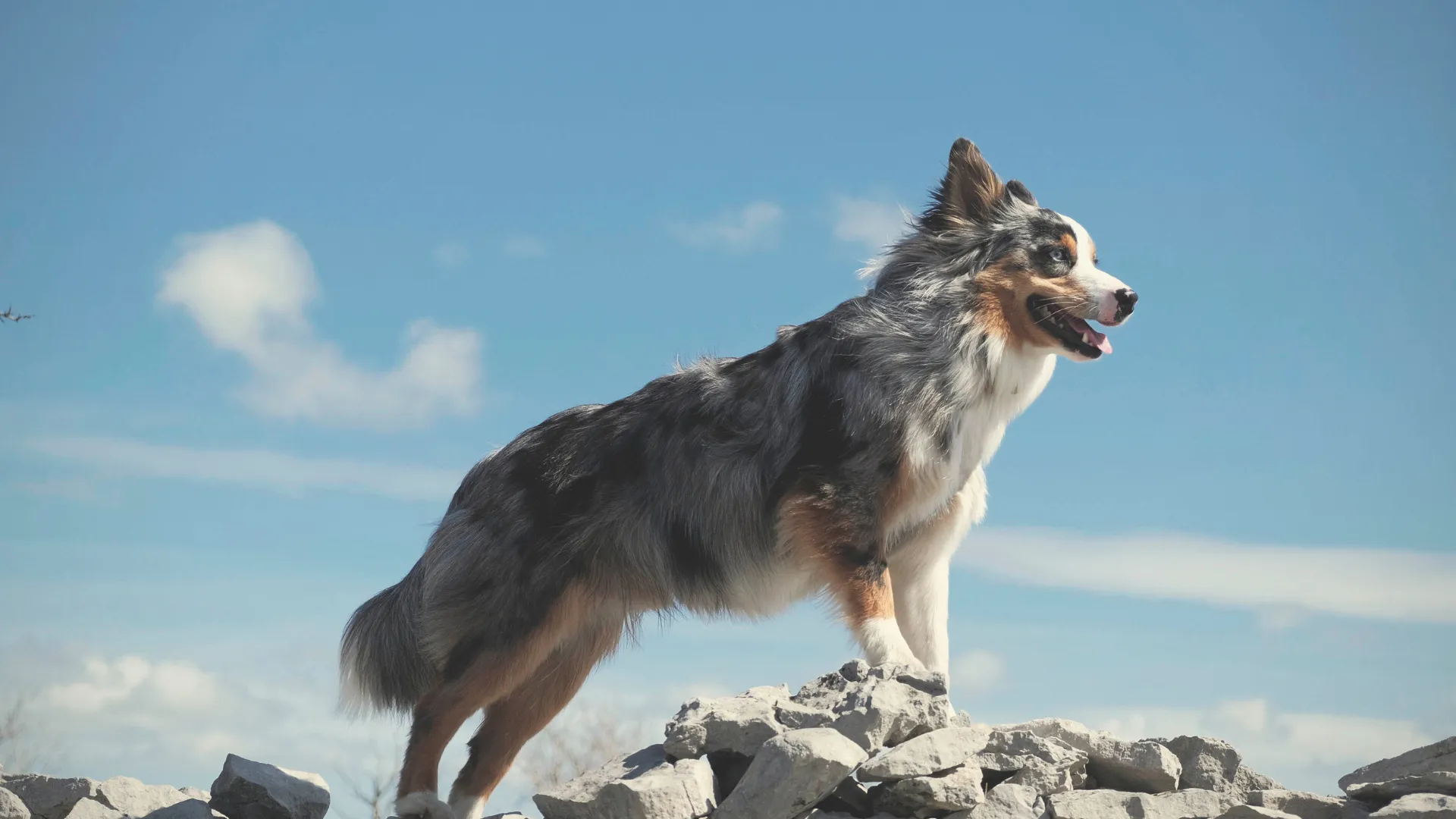
Australian Shepherd back leg weakness is often caused by hip dysplasia, a genetic condition where the joint does not fit the socket properly. Symptoms include bunny hopping, difficulty rising, and loss of muscle in the thighs. While common in the breed, early intervention through weight management and joint supplements can significantly extend their active years.
Contents
- 1 What is Hip Dysplasia in Australian Shepherds?
- 2 When Does Hip Dysplasia Show Up?
- 3 Recognizing the Symptoms of Hip Dysplasia
- 4 What Causes Hip Dysplasia?
- 5 How Vets Diagnose Hip Dysplasia
- 6 Treatment Options for Hip Dysplasia
- 7 Prevention and Breeding Practices
- 8 Living with Hip Dysplasia: Long-Term Management
- 9 The Bottom Line
2026 Update on Hip Dysplasia Research
New studies show that up to 76% of Australian Shepherds with hip dysplasia can live full, active lives with conservative treatment alone, without surgery. Early screening with PennHIP at 16 weeks can now predict future hip problems with greater accuracy than ever before.
What is Hip Dysplasia in Australian Shepherds?
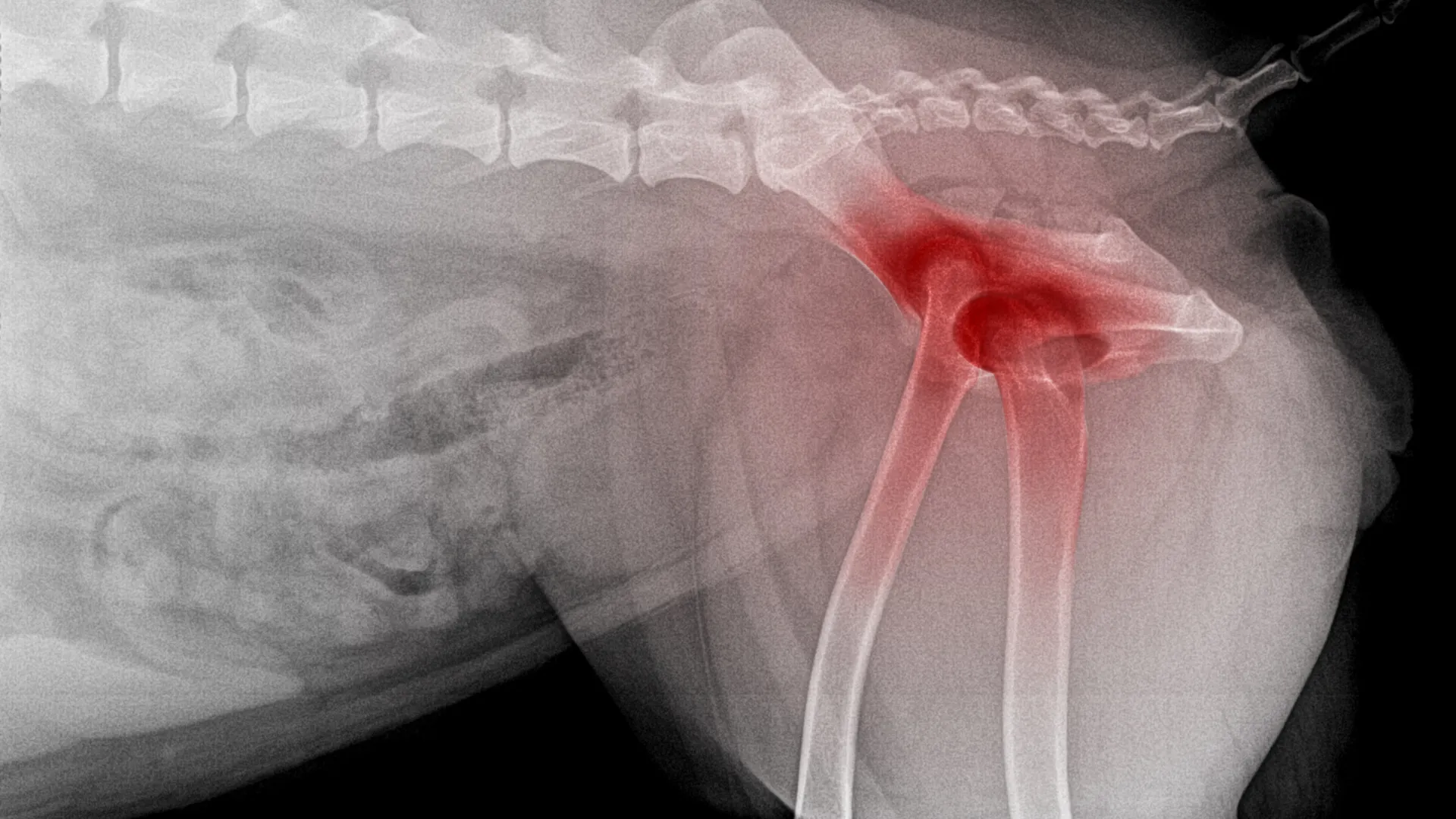
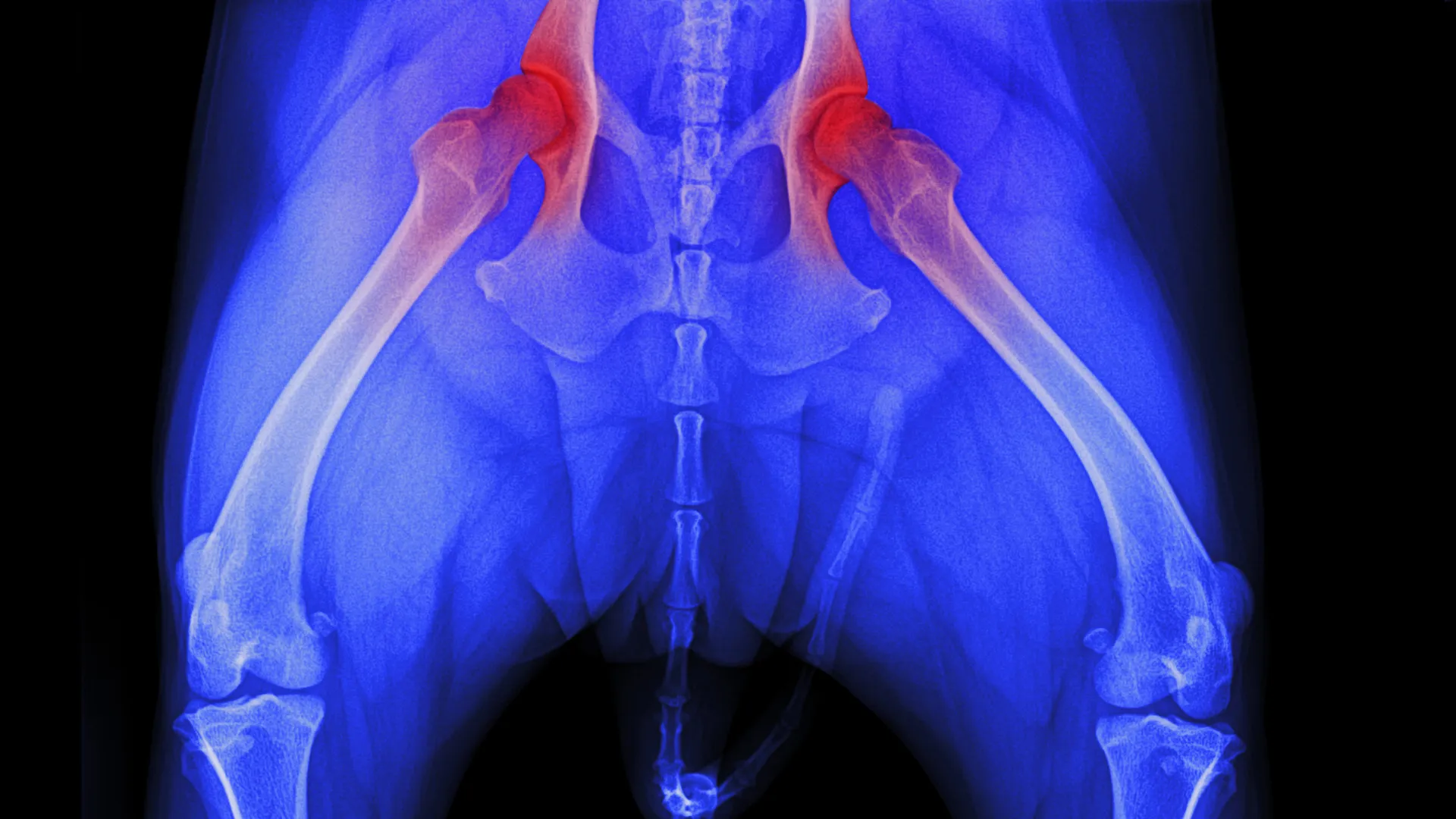
Hip dysplasia is a genetic condition where the hip joint has abnormal development. In a healthy hip, the ball (femoral head) fits snugly into the socket (acetabulum). But in dogs with hip dysplasia, the socket is too shallow or the ball does not fit properly.
This poor fit is called joint laxity. It means the joint is loose and unstable. Over time, this looseness causes the bones to rub together incorrectly. This rubbing damages the cartilage, causes pain, and leads to arthritis.
Australian Shepherds are moderately affected by this condition. It is passed down from parents to puppies through multiple genes, making it a polygenic disorder.
When Does Hip Dysplasia Show Up?
Hip dysplasia symptoms can appear at different ages in Australian Shepherds:
- 4 months to 1 year: Many puppies start showing signs during their fast growth period
- 1 to 2 years: Some dogs develop symptoms as they reach full size
- Later in life: Other dogs do not show clear signs until they are older and arthritis develops
The earlier you catch the signs, the more you can do to help your dog stay comfortable and mobile.
Recognizing the Symptoms of Hip Dysplasia
Watch for these warning signs in your Australian Shepherd:
Movement Changes
- Bunny hopping gait: Your dog uses both back legs together when running, like a rabbit
- Difficulty rising: Struggles to stand up from sitting or lying down
- Limping or favoring one leg: Especially noticeable after exercise or in the morning
- Swaying or unsteady hind legs: The back end looks wobbly when walking
- Reluctance to climb stairs: Avoids going up or down steps
- Reluctance to jump: Does not want to jump into the car or onto furniture
Physical Changes
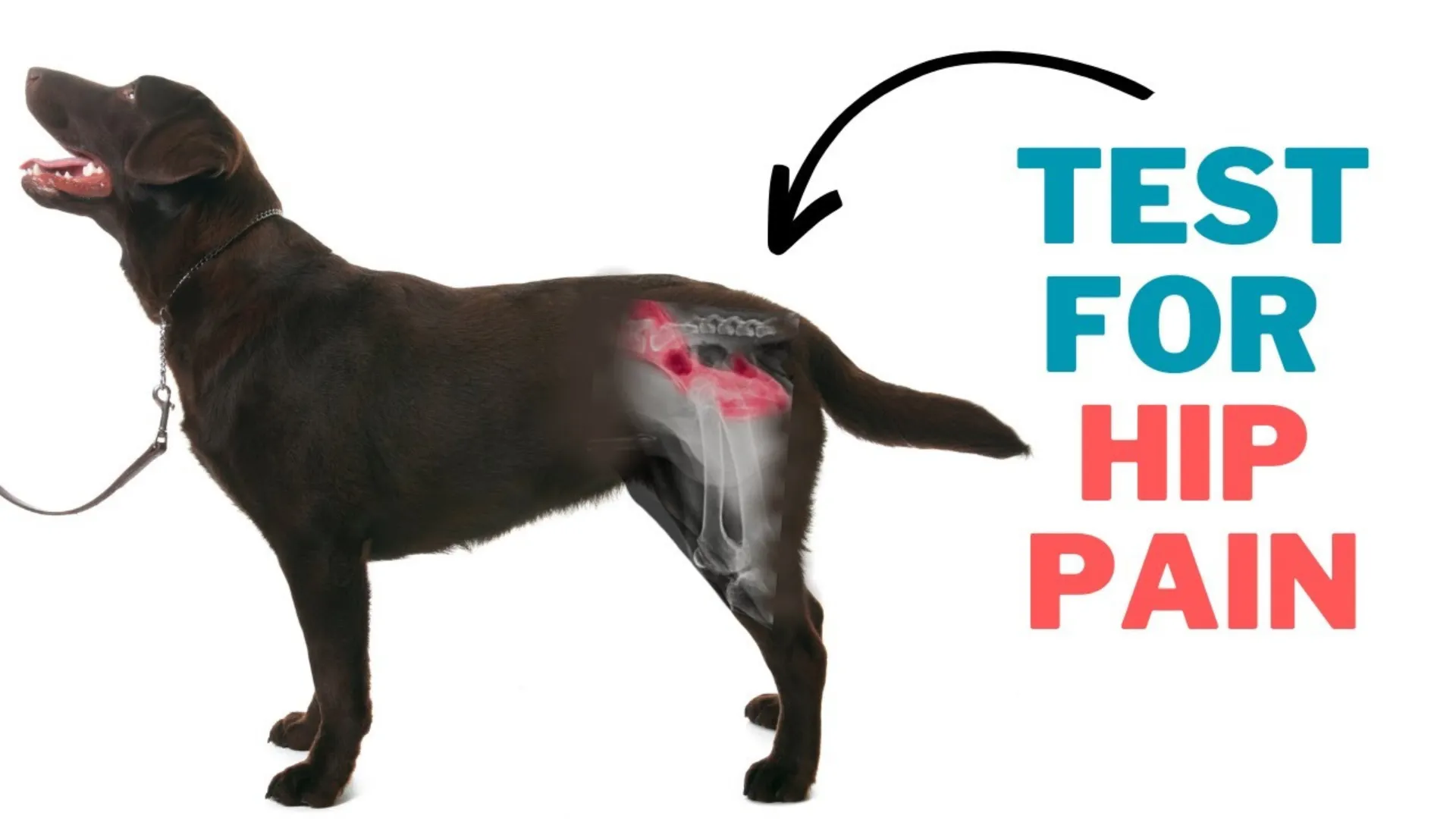
- Muscle atrophy: Loss of muscle mass in the thighs and hind legs
- Wider stance: Stands with back legs further apart than normal
- Pain during hip manipulation: Resists when you touch or move the hip area
Behavioral Changes
- Exercise intolerance: Gets tired faster during walks or play
- Pain after activity: Seems stiff or sore after running
- Less playful: Avoids activities they used to love
Important: If you notice any of these signs, take your Australian Shepherd to the vet right away. Early treatment can prevent arthritis from getting worse and help your dog stay active longer.
What Causes Hip Dysplasia?
Genetic Factors (Primary Cause)
Hip dysplasia in Australian Shepherds is primarily genetic and polygenic, influenced by multiple genes. Environmental factors like rapid growth from overfeeding, obesity, or excessive jumping can make it worse in predisposed puppies.
How Vets Diagnose Hip Dysplasia
Your vet will use several methods to check for hip dysplasia:
Physical Examination
The vet will feel your dog’s hips and move the legs in different ways. They check for:
- Pain during hip movement
- Clicking or grinding sounds (crepitus)
- Limited range of motion
- Muscle loss in the hind legs
X-Rays (Radiographs)
X-rays are the main way to confirm hip dysplasia. Your dog will need to be sedated so the vet can position the legs correctly. They use extended-leg views to see how well the hip joint fits together.
OFA Certification
The Orthopedic Foundation for Animals (OFA) is the standard certification system in the United States. Here is how it works:
| OFA Rating | What It Means |
|---|---|
| Excellent | Near perfect hips with deep sockets and tight fit |
| Good | Normal hips with minor imperfections |
| Fair | Passable hips with some concerns but still breedable |
| Borderline | Cannot determine if normal or dysplastic, needs recheck |
| Mild Dysplasia | Early signs of hip problems |
| Moderate Dysplasia | Clear hip problems with joint changes |
| Severe Dysplasia | Advanced hip problems with significant joint damage |
OFA certification requires dogs to be at least 2 years old, when the hips are fully developed. X-rays are submitted to OFA, where three board-certified veterinary radiologists review them and assign a rating.
PennHIP Evaluation
PennHIP is another hip screening method that measures joint laxity using a distraction index (DI). This can be done as early as 16 weeks old.
| Distraction Index (DI) | Risk Level |
|---|---|
| Less than 0.3 | Low risk of developing hip dysplasia |
| 0.3 to 0.7 | Moderate risk |
| Greater than 0.7 | High risk of developing hip dysplasia |
PennHIP can predict future hip problems earlier than OFA, giving you more time to start preventive care.
BVA/KC Scoring (Used in UK)
The British Veterinary Association and Kennel Club use a different system that scores nine aspects of each hip. Scores range from 0 (perfect) to 53 (severe dysplasia) per hip, for a total possible score of 106 for both hips combined.
Treatment Options for Hip Dysplasia
The good news is that up to 76% of Australian Shepherds with hip dysplasia can live active, comfortable lives with conservative treatment. Surgery is not always necessary.
Conservative (Non-Surgical) Treatment
These treatments work well for mild to moderate hip dysplasia and should be tried first:
Weight Management
Keeping your Australian Shepherd at a healthy weight is the single most important thing you can do. Extra pounds put more stress on already damaged hips. Your dog should have a visible waist when viewed from above, and you should be able to feel (but not see) the ribs easily.
Joint Supplements
Glucosamine and chondroitin supplements help repair damaged cartilage and reduce pain from hip dysplasia. They work best when started early, before severe arthritis develops. Look for supplements that contain:
- Glucosamine: Helps rebuild cartilage
- Chondroitin: Prevents cartilage breakdown
- MSM: Reduces inflammation and pain
- Omega-3 fatty acids: Natural anti-inflammatory
Give these supplements daily for at least 6 to 8 weeks before you will see results. They support long-term mobility when used consistently.
Anti-Inflammatory Medications
Your vet may prescribe NSAIDs like Carprofen, Meloxicam, or Deracoxib to reduce pain and swelling. These require regular blood tests to monitor liver and kidney function.
Controlled Exercise
Exercise is important, but it needs to be the right kind. Good exercises include swimming, walking on grass, and gentle play. Avoid jumping, running on concrete, stairs, and rough play. Keep sessions shorter but more frequent.
Physical Therapy
A canine physical therapist can teach you exercises to strengthen hip muscles. Stronger muscles help stabilize the loose joint through underwater treadmill, range of motion exercises, and balance work.
Alternative Therapies
Some dogs benefit from acupuncture, chiropractic care, or laser therapy to reduce pain and improve mobility.
Supportive Aids and Equipment
These tools can make daily life easier for dogs with hip dysplasia:
Orthopedic Beds
Orthopedic beds provide support and relieve pressure on painful joints. Look for beds with:
- Memory foam or egg crate foam that conforms to your dog’s body
- Thick enough padding (at least 4 inches for larger dogs)
- Washable covers for easy cleaning
- Non-slip bottom to prevent sliding
Orthopedic beds improve comfort during rest and make it easier for dogs to rise, especially in the morning when joints are stiff.
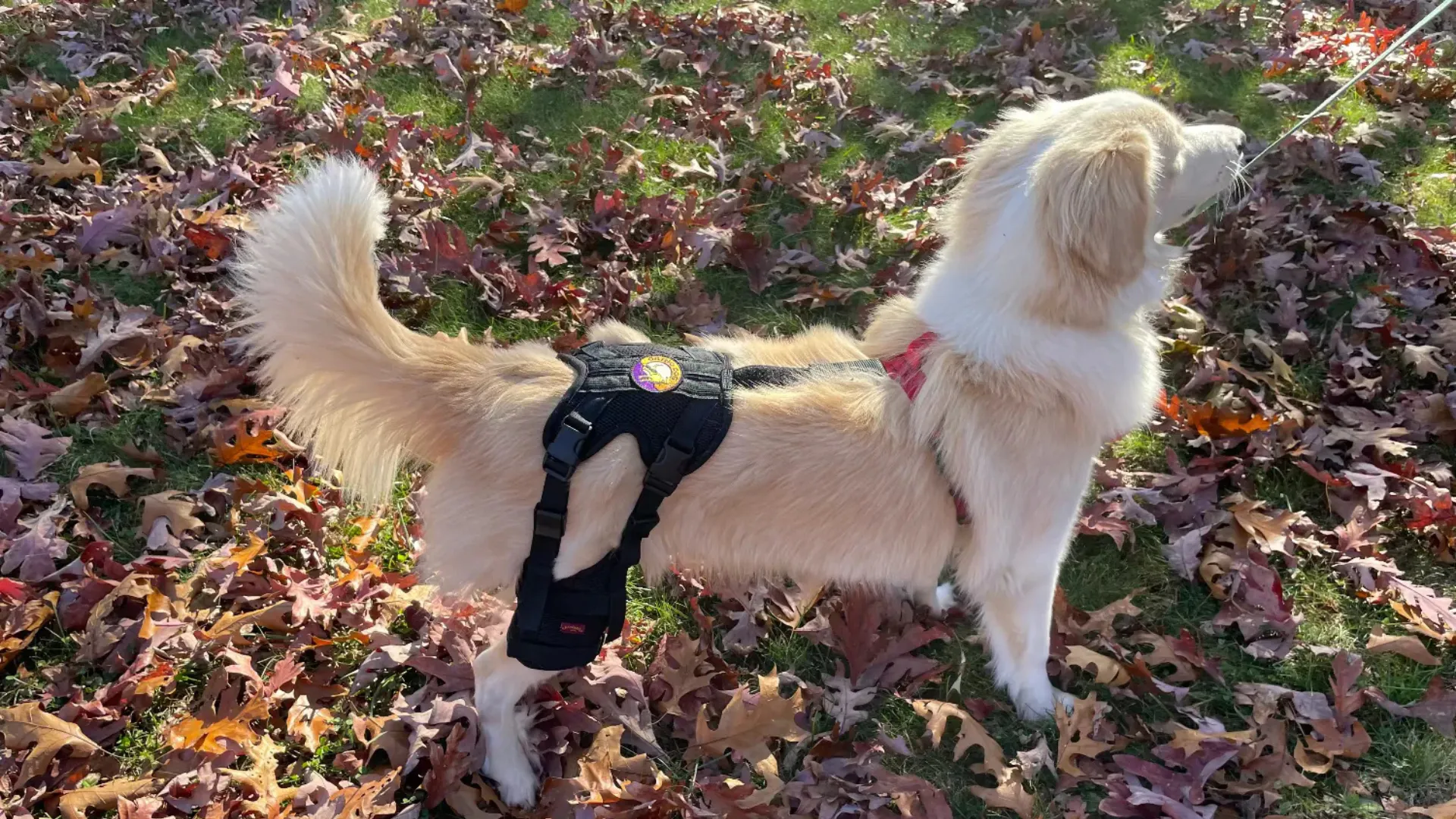
Hip Braces and Support Harnesses
Hip braces stabilize the hip joint, reducing pain and preventing the bunny hopping gait. They work by:
- Providing compression and support
- Limiting excessive movement
- Reducing strain on muscles
Rear leg support harnesses help you lift and support your dog’s back end when walking, going up stairs, or getting into the car. These are especially helpful for aging Australian Shepherds who struggle with mobility.
Ramps, Stairs, and Non-Slip Surfaces
Use ramps for cars and furniture to reduce jumping. Place non-slip rugs on slippery floors to give your dog better traction and prevent legs from sliding.
Helpful Tip: Combine multiple supportive aids for best results. An orthopedic bed, joint supplements, gentle exercise, and a rear support harness work together to keep your Aussie mobile and comfortable.
Surgical Options
Surgery is considered when conservative treatment does not control pain or when hip dysplasia is severe. There are different surgical options depending on your dog’s age and condition:
Juvenile Procedures (Before Arthritis Develops)
These surgeries are done in young dogs (usually under 10 months) before arthritis has set in:
- Triple Pelvic Osteotomy (TPO): Cuts and rotates the pelvis to improve how the ball fits in the socket
- Juvenile Pubic Symphysiodesis (JPS): Done at 16 to 20 weeks, closes part of the pelvis early to improve hip socket depth as the puppy grows
These surgeries work best when done early, before the joint is damaged.
Salvage Surgeries (After Arthritis Has Developed)
When arthritis is already present, these options can still improve quality of life:
- Femoral Head Ostectomy (FHO): Removes the ball of the hip joint and lets scar tissue form a “false joint.” Works better for smaller dogs (under 50 pounds). Most dogs regain good function after 6 to 12 weeks of recovery.
- Total Hip Replacement (THR): Replaces the entire hip joint with artificial parts, just like in humans. This completely restores normal hip function. It is the best option for large dogs with severe hip dysplasia but is also the most expensive.
Surgery costs vary widely:
- FHO: $1,200 to $2,500 per hip
- TPO: $2,000 to $3,500 per hip
- THR: $3,500 to $7,000 per hip
Prevention and Breeding Practices
While you cannot prevent hip dysplasia in a dog who has the genes for it, you can reduce the risk when choosing a puppy:
Choose OFA-Certified Parents
Only buy puppies from breeders with OFA certifications for both parents. Look for OFA ratings of Excellent or Good (Fair is acceptable), both parents certified at 2 years or older, and verify certifications in the OFA database yourself.
Review the Full Pedigree
Ask to see OFA results for grandparents, littermates, and relatives. Hip dysplasia runs in families, so check the entire pedigree for good hips.
Proper Puppy Nutrition
Feed large-breed puppy formula designed for slower growth. After 14 weeks, avoid overfeeding, follow feeding guidelines, keep your puppy lean, and limit high-calorie treats. Rapid growth from too many calories puts stress on developing hips.
Safe Exercise for Puppies
Limit high-impact activities during the first year: avoid repetitive jumping, limit stair climbing, do not let puppies jump on furniture, and avoid running on concrete. Stick to short walks and gentle play.
Living with Hip Dysplasia: Long-Term Management
Most Australian Shepherds with hip dysplasia can live happy, active lives with proper management:
- Give joint supplements daily
- Maintain ideal body weight
- Provide gentle, regular exercise
- Use an orthopedic bed
- See your vet every 6 months for check-ups
Action Checklist for Aussie Owners
If your Australian Shepherd shows signs of hip dysplasia:
- Schedule a vet appointment for physical exam and X-rays
- Start or maintain a healthy weight management plan
- Begin daily joint supplements (glucosamine and chondroitin)
- Purchase an orthopedic bed
- Adjust exercise to low-impact activities
- Consider a rear support harness for walks
- Add non-slip rugs to slippery floors
- Ask your vet about physical therapy options
- Monitor your dog’s comfort and mobility daily
The Bottom Line
Hip dysplasia is a common condition in Australian Shepherds, but it does not have to end their active lifestyle. With early detection, proper weight management, joint supplements like glucosamine, supportive equipment like orthopedic beds and hip braces, and appropriate exercise, most dogs with hip dysplasia can continue to enjoy a good quality of life.
The key is catching it early and being proactive about treatment. If you notice any signs of back leg weakness, bunny hopping, or difficulty rising, see your vet right away. The sooner you start managing hip dysplasia, the better your dog’s long-term outcome will be.
Remember, up to 76% of dogs with hip dysplasia do well with conservative treatment alone. Surgery is not always necessary. With the right care and support, your Australian Shepherd can stay mobile and comfortable for many years to come.
Medical Disclaimer: This article is for educational purposes only. Always consult with a licensed veterinarian for diagnosis and treatment of hip dysplasia in your dog.