Dog cough is something many pet owners hear at least once in their dog’s life. Sometimes it sounds small and dry. Sometimes it sounds deep and scary. Many people ignore it at first. That can be a mistake.
A dog cough can be caused by dust, infection, heart problems, or throat irritation. In this guide, you will learn what causes dog cough, when it is dangerous, and what you should do to protect your pet.
Table of Contents
- What Is Dog Cough
- Common Causes of Dog Cough
- Types of Dog Cough Sounds
- When Dog Cough Is Serious
- How Vets Diagnose Dog Cough
- Treatment Options for Dog Cough
- Home Care Tips
- How to Prevent Dog Cough
- Why You Can Trust This Guide
- Conclusion
Contents
What Is Dog Cough
Dog cough is a sudden release of air from your dog’s lungs. It happens when the throat, airways, or lungs feel irritated. Just like humans cough to clear their throat, dogs cough to clear their airway.
A small cough once in a while is normal. But if your dog coughs again and again, it means something is wrong.
I once had a dog that started coughing only at night. At first, I thought it was nothing. After three days, the cough became stronger. The vet later told me it was an early chest infection. Early treatment helped him recover fast.
This shows why paying attention to dog cough is important.
Common Causes of Dog Cough
There are many reasons behind dog cough. Some are mild. Some are serious.
Respiratory Infections
Bacterial and viral infections are very common causes. One example is kennel cough. It spreads quickly in places where many dogs stay together.
Dogs with infection may also have:
- Runny nose
- Fever
- Low energy
- Loss of appetite
Allergies
Dust, smoke, or pollen can irritate your dog’s throat. This leads to dry dog cough. Allergies usually cause sneezing and itchy skin too.
Heart Disease
Older dogs may cough because of heart problems. When the heart does not pump blood properly, fluid can build up in the lungs. This causes frequent coughing, especially at night.
Foreign Object
Sometimes a small toy piece or bone fragment gets stuck in the throat. This causes sudden and repeated dog cough.
Types of Dog Cough Sounds
The sound of dog cough can give you clues about the cause.
Dry Hacking Cough
This sounds harsh and rough. It is common in kennel cough.
Wet Cough
This sounds like there is mucus inside. It may mean infection or fluid in lungs.
Honking Sound
Some dogs make a sound like a goose. This often happens in small breeds with trachea problems.
Listening carefully can help your vet find the cause faster.
When Dog Cough Is Serious
Not every dog cough is an emergency. But some warning signs mean you must visit a vet quickly.
- Cough lasting more than one week
- Blood in cough
- Trouble breathing
- Blue gums
- Extreme weakness
If your dog cough happens with breathing difficulty, do not wait. Immediate care can save your dog’s life.
How Vets Diagnose Dog Cough
Veterinarians follow a step by step process.
First, they ask about your dog’s history. When did the dog cough start. Is it worse at night. Is your dog eating normally.
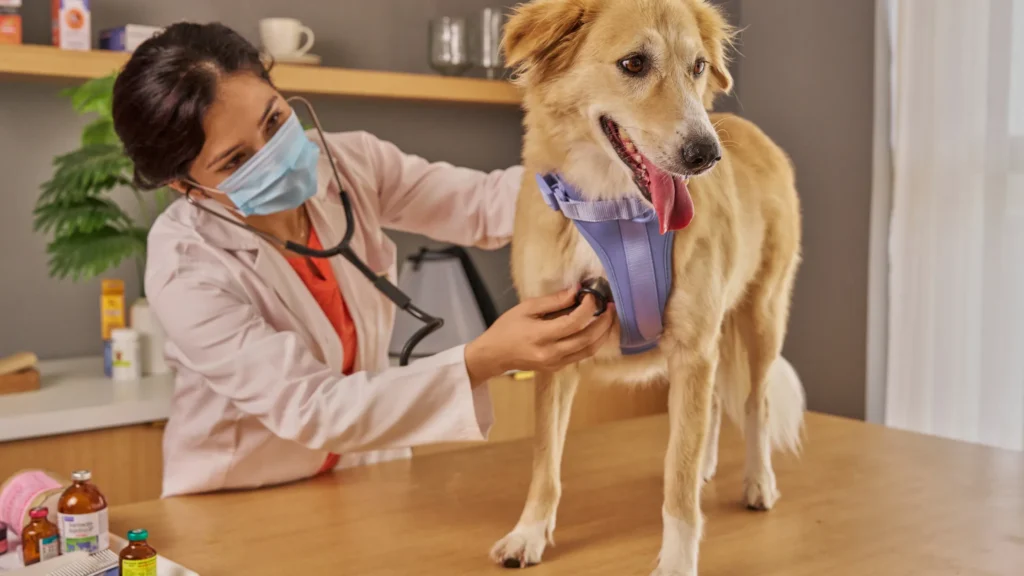
Then they examine your dog’s chest and throat.
In some cases, tests are needed:
- Chest X ray
- Blood tests
- Heart ultrasound
- Swab tests for infection
These tests help find the exact cause. Correct diagnosis leads to correct treatment.
Treatment Options for Dog Cough
Treatment depends on the cause.
Antibiotics
If bacteria cause the dog cough, antibiotics are prescribed. It is important to complete the full course.
Cough Suppressants
In dry painful cough, vets may give medicine to reduce irritation.
Heart Medication
If heart disease causes dog cough, special heart drugs help reduce fluid buildup.
Surgery
If a foreign object is stuck, removal may be needed.
Never give human cough syrup to your dog. Some ingredients are dangerous for pets.
Home Care Tips
If your vet says the dog cough is mild, you can help at home.
Keep your dog in a clean and dust free area.
Avoid smoke exposure.
Use a harness instead of a neck collar to reduce throat pressure.
Give fresh water daily.
Allow proper rest.
I remember switching from collar to harness for my dog when he had throat irritation. His dog cough reduced within days because there was less pressure on his airway.
Small changes can make a big difference.
How to Prevent Dog Cough
Prevention is always better than treatment.
Keep vaccinations up to date. Vaccines protect against common respiratory diseases.
Avoid crowded dog areas during outbreaks.
Maintain good hygiene in your home.
Regular vet checkups help detect early problems.
A healthy diet also supports a strong immune system.
Dogs that get regular exercise and balanced food are less likely to develop frequent dog cough.

Why You Can Trust This Guide
This guide is based on real pet care experience and common veterinary practices. It focuses on practical advice used by dog owners and recommended by animal health professionals.
The information is written in simple language so every dog owner can understand it clearly. The goal is to protect your pet with safe and proven knowledge.
Your dog’s health is important. Making informed decisions builds trust and keeps your pet safe.
Conclusion
Dog cough may look small at first, but it should never be ignored. It can be caused by allergies, infection, heart disease, or throat irritation. Some cases are mild. Some can be life threatening.
Watch your dog carefully. Notice the sound, frequency, and other symptoms. Visit a vet if the dog cough lasts long or becomes severe.
Early action can protect your dog from serious illness. When you understand dog cough, you become a better and more responsible pet owner.