Many dog owners want to understand what 1 year in dog years really means. Some people still believe that one dog year equals seven human years. This idea is very common, but it is not scientifically correct.
Dogs grow much faster than humans, especially in their first year of life. A one year old dog is not like a seven year old child. In reality, a one year old dog is closer to a teenage human in terms of physical and mental development.
When you understand the true meaning of 1 year in dog years, you can take better care of your pet. You can choose the right food, plan better exercise, and provide proper medical care at the right time.
Contents
- 1 What Does 1 Year in Dog Years Actually Mean
- 2 Why the Seven Year Rule Is Wrong
- 3 A More Accurate Dog Age Chart
- 4 Physical Development During the First Year
- 5 Mental Growth and Learning Ability
- 6 Behavior of a One Year Old Dog
- 7 Health Condition at One Year Old
- 8 Nutrition After the First Year
- 9 Exercise Requirements
- 10 Does Size Affect Aging
- 11 Life Expectancy of Dogs
- 12 Common Mistakes Dog Owners Make
- 13 Emotional Bond at One Year
- 14 Long Term Importance of the First Year
- 15 Final Thoughts
What Does 1 Year in Dog Years Actually Mean
The phrase 1 year in dog years is used to compare a dog’s age with human age. According to modern research, the first year of a dog’s life equals about 15 human years.
This means that when your dog turns one year old, they are similar to a 15 year old human teenager. They are no longer babies. They are young adults with strong bodies and growing minds.
Their bones are developed. Their permanent teeth have grown. Their personality is becoming stable. This is why the first year is such an important stage in a dog’s life.
Why the Seven Year Rule Is Wrong
For many years, people used a simple formula. They believed that one dog year equals seven human years.
If that were true, then 1 year in dog years would equal only seven human years. But this does not match how dogs actually grow.
Dogs mature very quickly in the first year. In just twelve months, they go from helpless puppies to almost fully grown adults. Humans take many years to reach that level of growth.
The seven year rule is easy to remember, but it does not reflect real biological development.
A More Accurate Dog Age Chart
A better way to understand dog aging is this simple guide.
At one year old, a dog equals about 15 human years.
At two years old, a dog equals about 24 human years.
After two years, each additional dog year equals around four to five human years.
This chart shows that the biggest jump happens in the first year. That is why 1 year in dog years is such a major milestone.
Physical Development During the First Year
The first year of a dog’s life is full of rapid physical growth.
In the first few weeks, puppies cannot see or hear clearly. They depend fully on their mother.
At one month, they start walking and exploring.
At three months, they become playful and energetic.
At six months, many puppies already look like small adult dogs.
By the time they reach 1 year in dog years, most dogs have reached their adult height and body structure.
Small and medium breeds are usually fully grown by this age. Large breeds may continue to grow slightly, but they are still considered young adults.
Mental Growth and Learning Ability
Mental development is also very fast in the first year.
Puppies learn their names. They understand basic commands like sit and stay. They recognize their owners and respond to emotions.
By the time a dog reaches 1 year in dog years, they are intelligent and aware of their surroundings. They can remember routines and understand household rules.
This stage is very important for training. Good habits formed at this age often stay for life.
Behavior of a One Year Old Dog
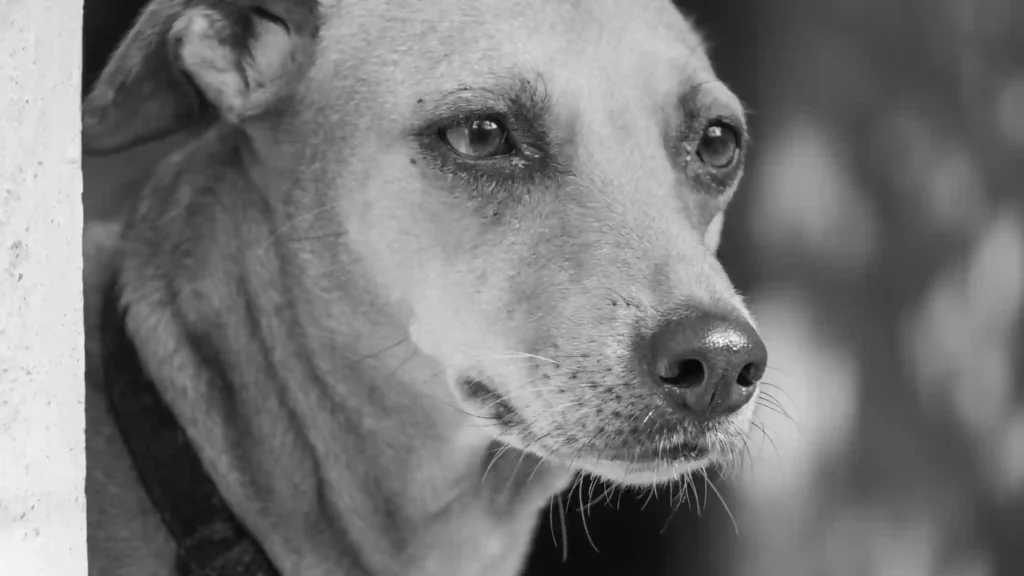
A one year old dog behaves very much like a human teenager.
They are full of energy. They love to run and play. They may test limits and sometimes ignore commands.
This behavior is normal. They are learning independence while still needing guidance.
At 1 year in dog years, consistent training and patience are very important. Positive reinforcement works better than punishment.
With proper guidance, they grow into calm and obedient adult dogs.
Health Condition at One Year Old
Most dogs at one year old are strong and healthy.
Their immune system is well developed. Their muscles are strong. Their adult teeth are fully grown.
Even though they are healthy, regular veterinary visits are still necessary. Annual vaccinations and health checks help prevent future problems.
Because 1 year in dog years equals about 15 human years, this stage is similar to teenage health in humans. Preventive care is very important.
Nutrition After the First Year
When a dog turns one year old, many owners switch from puppy food to adult dog food.
Puppy food supports rapid growth. Adult food supports balanced energy and healthy weight.
Choosing high quality food is important. The diet should include protein, healthy fats, vitamins, and minerals.
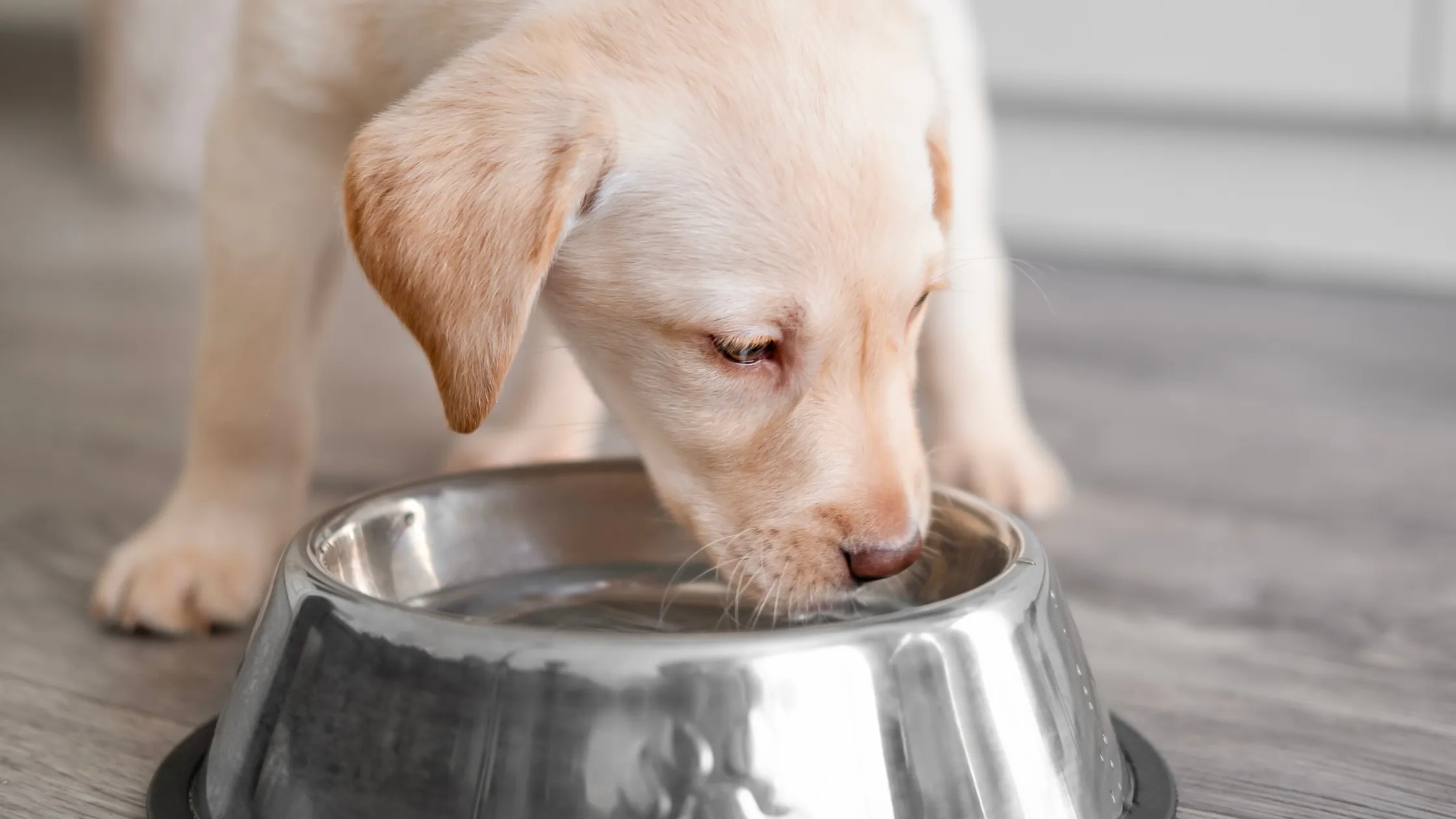
Overfeeding can lead to obesity. Underfeeding can lead to weakness. Clean drinking water should always be available.
Proper nutrition during 1 year in dog years supports long term health.
Exercise Requirements
Dogs at one year old have high energy levels.
Daily walks are essential. Active play such as fetch or running is helpful. Mental stimulation through training games also keeps them balanced.
Exercise strengthens the body and reduces stress. A well exercised dog is usually calmer at home.
Healthy exercise habits built at 1 year in dog years often continue into adulthood.
Does Size Affect Aging
Breed size affects how dogs age later in life.
Small dogs often live longer. Large dogs usually have shorter lifespans.
However, when discussing 1 year in dog years, most breeds are close to 15 human years at that point.
After middle age, larger breeds tend to age faster than smaller breeds.
Life Expectancy of Dogs
Small breeds may live between twelve to sixteen years.
Medium breeds often live ten to fourteen years.
Large breeds may live eight to twelve years.
Understanding 1 year in dog years helps you realize how quickly dogs grow compared to humans. Their first year represents a huge part of their total lifespan.
Common Mistakes Dog Owners Make
Some owners still believe outdated age formulas.
Some think training is only needed during puppy months.
Others ignore regular health checkups after the first year.
Understanding the real meaning of 1 year in dog years helps avoid these mistakes and improves responsible pet care.
Emotional Bond at One Year
By the time your dog reaches one year old, your emotional bond becomes stronger.
They trust you. They recognize your voice immediately. They feel secure around you.
Spending quality time with your dog strengthens this bond even more.
At 1 year in dog years, your relationship becomes deeper and more meaningful.
Long Term Importance of the First Year
The habits developed in the first year shape the dog’s future.
Proper training builds discipline.
Healthy food builds strong immunity.
Regular exercise builds endurance.
Social interaction builds confidence.
Because 1 year in dog years equals about 15 human years, this stage is like the teenage foundation of life.
Final Thoughts
Now you fully understand what 1 year in dog years truly means.
It does not equal seven human years. It equals about fifteen human years.
A one year old dog is a young adult. They are energetic, intelligent, and still learning.
This stage requires proper care, balanced nutrition, regular exercise, and consistent training.
When you invest time and effort at this stage, you build a healthy and happy future for your dog.
If your dog is one year old, enjoy this special phase of life. It is the beginning of adulthood and a very important chapter in their journey.