
A healthy dog diet is the foundation of a long, active, and happy life for your furry friend. Just like humans, dogs need balanced nutrition to maintain energy levels, build strong muscles, support immunity, and prevent diseases. Many pet owners unknowingly feed their dogs foods that lack essential nutrients, which can lead to obesity, digestive problems, skin issues, and even chronic illness.
In this complete guide, we will explain everything about a healthy dog diet, including essential nutrients, feeding schedules, homemade food options, common mistakes, and expert tips. If you are looking for the best healthy dog diet plan, this guide will help you make the right choices.
Contents
- 1 Why Is a Healthy Dog Diet Important?
- 2 Essential Nutrients in a Healthy Dog Diet
- 3 Best Healthy Dog Diet Plan by Age
- 4 Commercial Dog Food vs Homemade Dog Food
- 5 Foods to Avoid in a Healthy Dog Diet
- 6 Portion Control and Feeding Tips
- 7 Signs of a Healthy Dog Diet
- 8 Special Diets for Specific Needs
- 9 Common Mistakes in Dog Feeding
- 10 Supplements in a Healthy Dog Diet
- 11 How to Transition to a Healthy Dog Diet
- 12 Frequently Asked Questions
- 13 Final Thoughts
Why Is a Healthy Dog Diet Important?
A proper healthy dog diet:
- Improves immune system
- Supports healthy skin and shiny coat
- Maintains strong bones and muscles
- Boosts energy levels
- Prevents obesity
- Reduces risk of diseases
Dogs that eat a balanced diet live longer and have fewer health problems. Nutrition directly affects your dog’s mood, activity, and overall well-being.
Essential Nutrients in a Healthy Dog Diet
To create the best healthy dog diet plan, you must understand the key nutrients dogs need.
1. Protein
Protein is the most important nutrient in a healthy dog diet. It helps build muscles, repair tissues, and support growth.
Best sources:
- Chicken
- Beef
- Fish
- Eggs
- Lamb
Puppies and active dogs need more protein than senior dogs.
2. Healthy Fats
Fats provide energy and support brain function. Omega-3 and Omega-6 fatty acids are especially important.
Sources:
- Fish oil
- Salmon
- Flaxseed
- Chicken fat
Healthy fats also keep your dog’s coat shiny and skin healthy.
3. Carbohydrates
Carbs provide energy and support digestion.
Good carb sources:
- Brown rice
- Sweet potatoes
- Oats
- Barley
Carbohydrates should not dominate the diet but should be balanced properly.
4. Vitamins and Minerals
A proper healthy dog diet must include vitamins like:
- Vitamin A (vision support)
- Vitamin D (bone health)
- Vitamin E (immune support)
- Calcium and phosphorus (strong bones)
5. Water
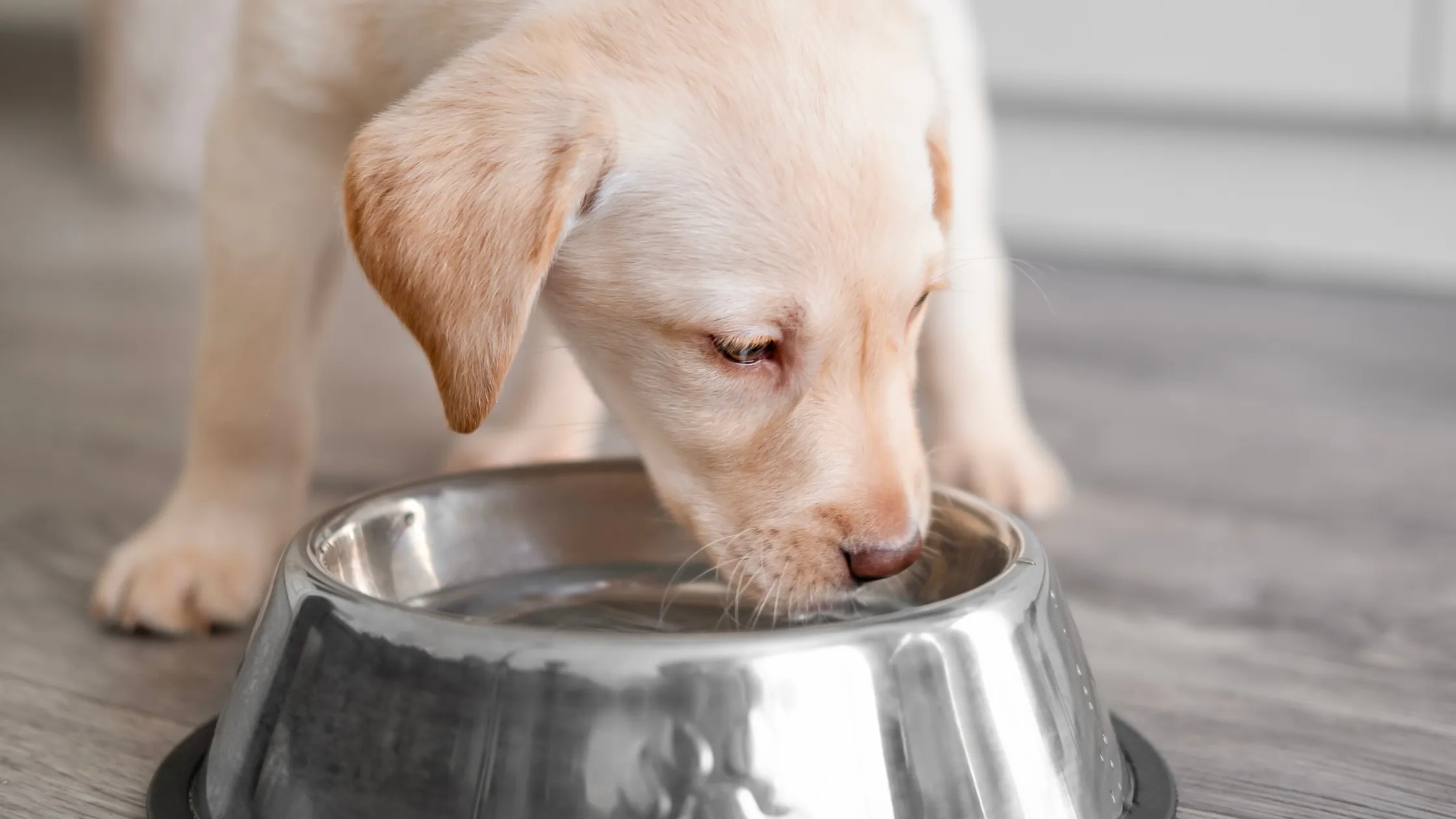
Water is often ignored but is critical. Dogs must have access to fresh, clean water at all times.
Best Healthy Dog Diet Plan by Age
Different life stages require different nutrition levels.
???? Puppy Diet
Puppies need:
- High protein
- Higher calories
- DHA for brain development
Feed puppies 3–4 times daily.
???? Adult Dog Diet
Adult dogs need:
- Balanced protein and fats
- Controlled calories
- Regular feeding schedule (2 times daily)
???? Senior Dog Diet
Senior dogs need:
- Lower calories
- Joint-support nutrients
- Easily digestible protein
Senior dogs benefit from omega-3 supplements.
Commercial Dog Food vs Homemade Dog Food
Commercial Dog Food
High-quality dog food brands are formulated to meet nutritional standards.
Pros:
- Balanced nutrition
- Convenient
- Long shelf life
Cons:
- Some contain fillers
- Low-quality brands may use artificial ingredients
Always read the ingredient label when choosing food for a healthy dog diet .
Homemade Dog Food
Many owners prefer homemade meals.
Healthy homemade options:
- Boiled chicken with rice
- Cooked vegetables (carrots, peas)
- Plain yogurt
- Scrambled eggs
Avoid:
- Onion
- Garlic
- Chocolate
- Grapes
- Fried food
Before switching to homemade meals, consult a veterinarian.
Foods to Avoid in a Healthy Dog Diet
Some human foods are toxic to dogs:
- Chocolate
- Grapes and raisins
- Onions
- Garlic
- Alcohol
- Caffeine
- Xylitol (sweetener)
Even small amounts can be dangerous.
Portion Control and Feeding Tips
Overfeeding leads to obesity.
How Much to Feed?
Depends on:
- Weight
- Breed
- Activity level
- Age
Check food packaging guidelines or ask your vet.
Signs of a Healthy Dog Diet
You will know your dog is eating properly if:
- Coat is shiny
- Energy levels are high
- Weight is stable
- Stool is firm
- No excessive shedding
If your dog seems weak, tired, or overweight, diet adjustment may be needed.
Special Diets for Specific Needs
1. Weight Loss Diet
Low-calorie, high-protein meals.
2. Grain-Free Diet
Helpful for dogs with allergies (only if recommended by vet).
3. High-Protein Diet
For working and athletic dogs.
Common Mistakes in Dog Feeding
- Feeding too many treats
- Sharing table scraps
- Sudden food changes
- Ignoring allergies
- Not measuring portions
A successful best healthy dog diet plan requires consistency and monitoring.
Supplements in a Healthy Dog Diet
Sometimes supplements are needed:
- Fish oil (skin and coat)
- Glucosamine (joints)
- Probiotics (digestion)
Only give supplements if recommended by a vet.
How to Transition to a Healthy Dog Diet
Switch gradually over 7 days:
Day 1–2: 75% old food + 25% new
Day 3–4: 50% old + 50% new
Day 5–6: 25% old + 75% new
Day 7: 100% new food
This prevents stomach upset.
Frequently Asked Questions
How often should I feed my dog?
Adult dogs: 2 times daily
Puppies: 3–4 times daily
Is raw food good for dogs?
Raw diets can be beneficial but must be balanced carefully to avoid bacteria and nutrient deficiencies.
Can dogs eat vegetables?
Yes, but only safe vegetables like carrots, peas, and green beans.
Final Thoughts
Providing a healthy dog diet is one of the most important responsibilities of a dog owner. Balanced nutrition supports growth, immunity, energy, and overall happiness. Whether you choose commercial food or homemade meals, always focus on quality ingredients and proper portion control.
Remember, the best healthy dog diet plan is one that suits your dog’s age, breed, and activity level. Regular vet checkups and careful monitoring will ensure your dog lives a long and joyful life.
Your dog depends on you for nutrition — choose wisely and feed with love